In today’s dynamic industrial landscape, forklifts play a crucial role in the efficient movement of goods and materials within warehouses, distribution centres, and construction sites.
The operation of forklifts demands specialized skills and knowledge to ensure safety and productivity.
This is where forklift training comes into the picture.
From understanding the importance of forklift training to exploring the risks associated with inadequate training, the various types of forklifts, and the steps to obtain proper training, this comprehensive article delves into every aspect of forklift training.
Whether you are an employer looking to enhance workplace safety or an individual aspiring to operate forklifts, this article will provide valuable insights into the world of forklift training, including the topics covered in training programs.
So, let’s embark on a journey to discover the significance of forklift training and the essential knowledge it imparts to ensure safe and proficient forklift operation.
What is Forklift Training?
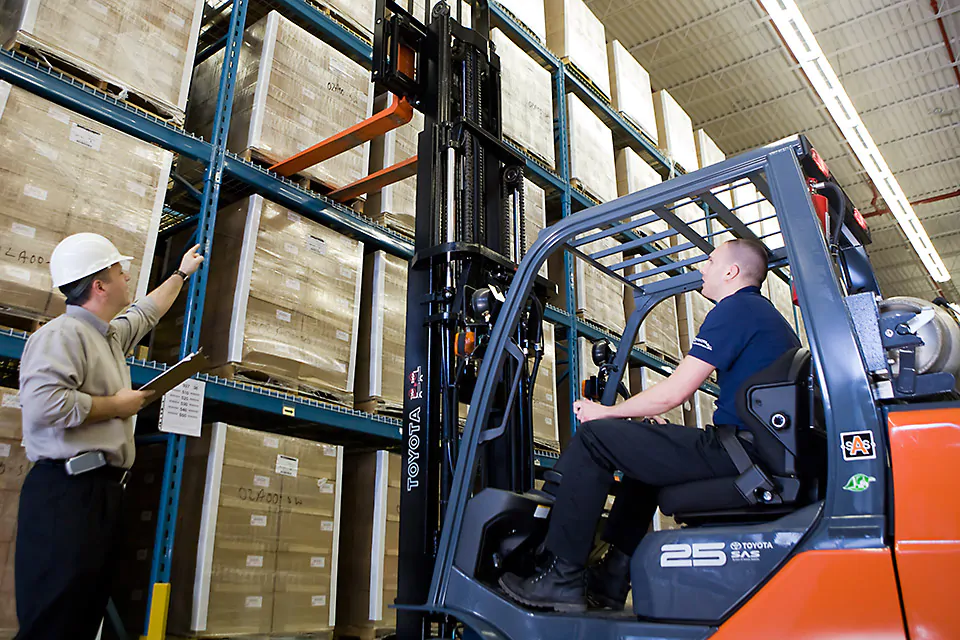
Forklift training is a comprehensive program designed to equip individuals with the necessary skills and knowledge to operate forklifts safely and in compliance with OSHA regulations, ensuring workplace safety and certification.
This training plays a pivotal role in promoting safety within industrial and warehouse environments by familiarizing operators with safety guidelines and best practices. By learning to identify and mitigate workplace hazards, forklift operators can contribute to a safer work environment.
Achieving forklift training certification not only ensures compliance with regulatory standards but also enhances the credibility and efficiency of the workforce, leading to smoother operations and reduced risk of accidents and injuries.
Why is Forklift Training Important?
Forklift training holds significant importance in ensuring workplace safety, maintaining certification standards, and adhering to forklift safety guidelines, thereby mitigating potential hazards and accidents.
Proper forklift training equips operators with the necessary skills to operate forklifts safely and effectively, reducing the risk of accidents and injuries. Certification requirements ensure that operators have received adequate training, thereby enhancing workplace safety.
Implementation of forklift safety guidelines, such as load capacity limits and proper handling procedures, further reinforces the importance of comprehensive training. By prioritizing forklift training, companies demonstrate their commitment to creating a secure work environment and reducing potential liabilities associated with forklift operations.
What are the Risks of Not Having Forklift Training?
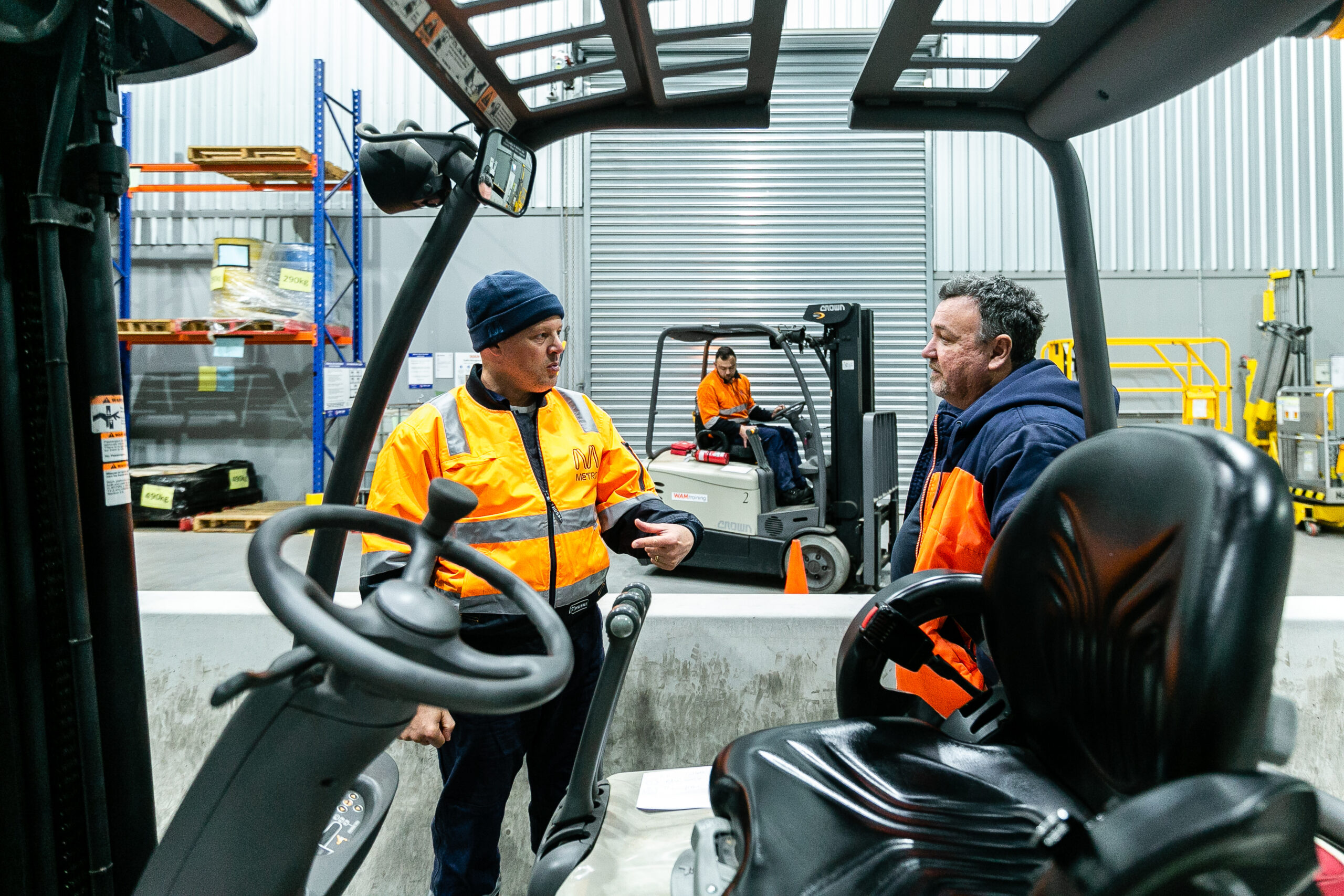
The absence of forklift training poses severe risks in the form of workplace hazards, non-compliance with OSHA regulations, and the heightened probability of forklift accidents, potentially endangering both personnel and property.
Without proper training, forklift operators may lack crucial knowledge of safe maneuvering, leading to collisions, tip-overs, or loads slipping off forks, posing immediate dangers to both the operator and nearby workers.
In addition, non-compliance with OSHA regulations can result in hefty fines and legal ramifications for the organization, impacting its reputation and financial stability.
Forklift accidents can cause serious injuries or fatalities, leading to emotional distress and financial burdens for individuals and their families.
What are the Different Types of Forklifts?
Forklifts encompass a range of specialized equipment and industrial vehicles used for material handling and maneuvering within warehouses, distribution centres, and other industrial settings, with each type serving distinct operational purposes.
These essential machines are designed to efficiently move, stack, lift, and organize materials such as pallets, crates, and bulk goods. Each type of forklift, whether it’s a counterbalance forklift, reach truck, or pallet jack, is tailored to handle specific tasks in diverse industrial environments.
From narrow aisle forklifts for tight spaces to rough terrain forklifts for outdoor use, the forklift operator’s role involves skillfully operating these diverse machines to ensure seamless material flow and efficient warehouse operations.
Counterbalance Forklifts
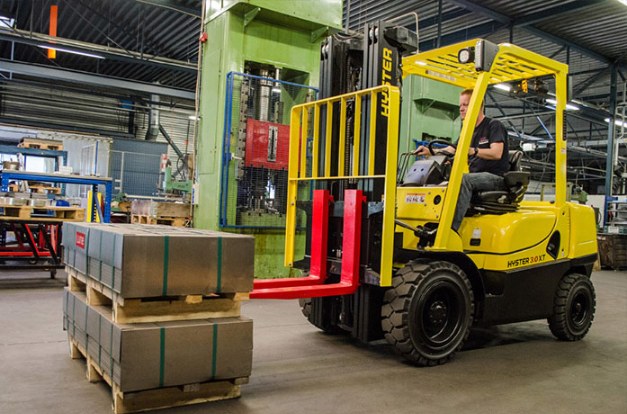
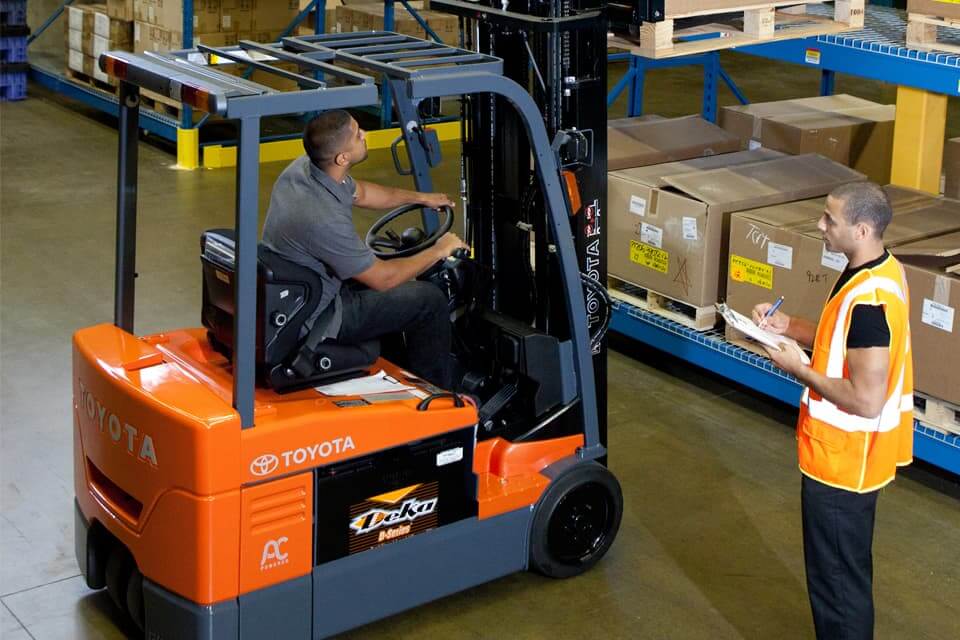
Counterbalance forklifts are a common type of forklift used for maneuvering and lifting loads in warehouse and industrial operations, featuring a weight distribution mechanism that facilitates stable operation and load handling.
These forklifts are designed with a counterbalancing weight at the rear of the vehicle, which offsets the weight of the load being carried, allowing forklift operators to maneuver and lift heavy loads with precision and balance.
The operator’s cab is positioned at the front, providing a clear view of the working area, enhancing safety and preventing accidents. The maneuverability of counterbalance forklifts is a key advantage, allowing them to work efficiently in narrow aisles and tight spaces within warehouse environments, optimizing operational productivity and space utilization.
Reach Forklifts
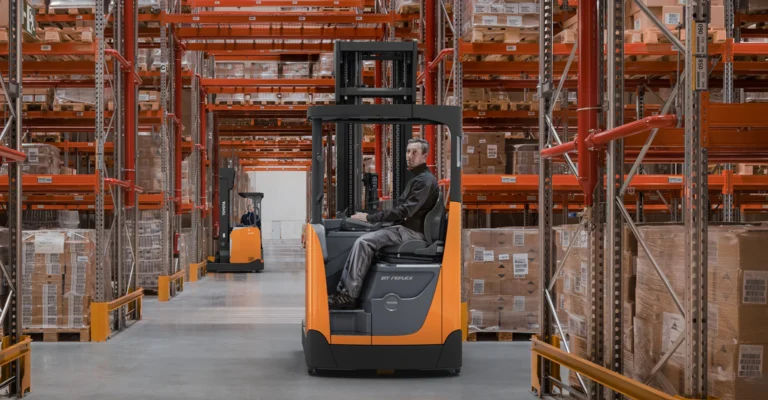
Reach forklifts are designed for efficiently handling palletized goods and materials in warehouse environments, contributing to workplace safety by enabling high-level access and precise pallet maneuvering.
These specialized forklifts are equipped with telescoping forks that can extend and retract, allowing operators to reach and retrieve pallets stored at considerable heights. This capability not only maximizes storage space but also minimizes the risks associated with manual lifting and reaching.
In addition, reach forklifts are equipped with advanced stability features, such as tilt sensors and weight management systems, to ensure secure handling of heavy pallets, thereby adhering to workplace safety standards.
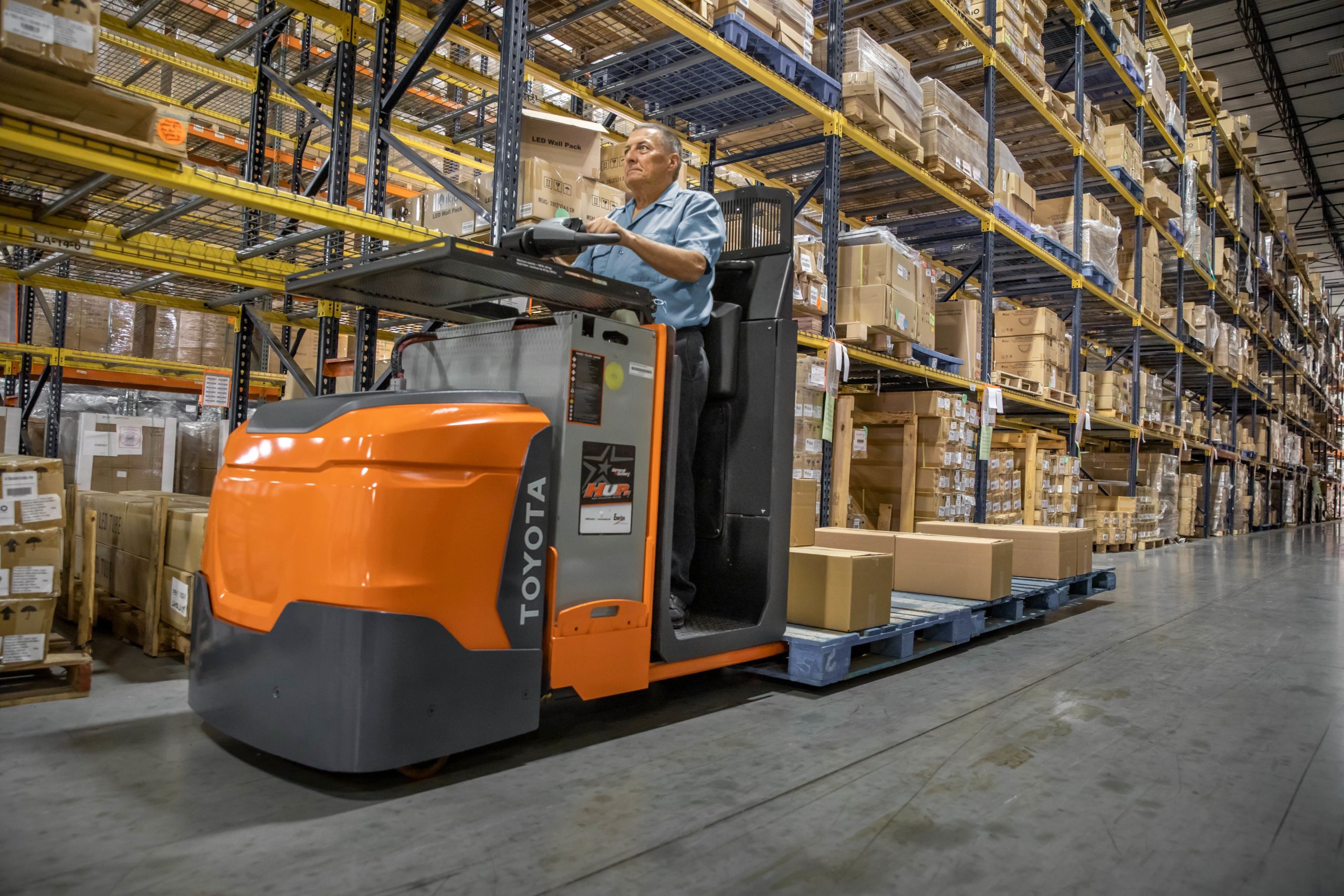
Order Picker Forklifts
Order picker forklifts are utilized for picking and transporting individual items or orders within warehouse settings, requiring operators to possess practical skills and proficiency gained through specialized training programs.
The operational requirements for order picker forklifts necessitate operators to have a solid understanding of warehouse layout, inventory management, and safe handling of materials.
Specialized training programs focus on teaching operators how to maneuver in confined spaces, operate the lift at various heights, and handle loads efficiently. Practical skills such as spatial awareness, attention to detail, and the ability to follow safety protocols are essential for ensuring smooth and safe operation of order picker forklifts.
The role of operators in maintaining equipment, conducting pre-operation inspections, and adhering to safety standards can significantly impact the overall efficiency and safety of warehouse operations.
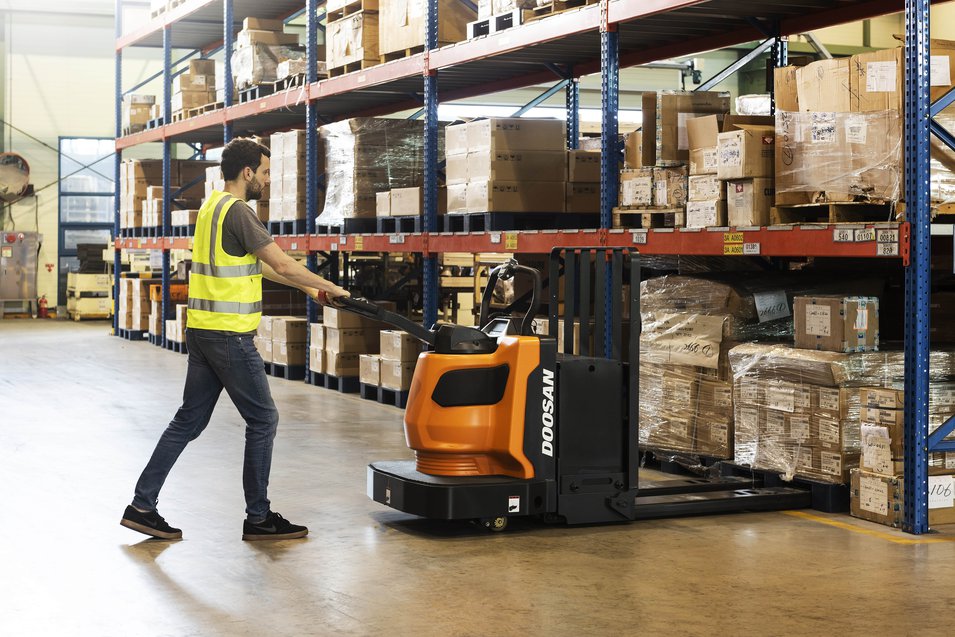
Electric Pallet Jacks
Electric pallet jacks serve as efficient industrial vehicles for moving and positioning palletized loads, necessitating adherence to stringent safety protocols and operational guidelines to ensure smooth and secure material handling operations.
These vehicles are designed to streamline the process of moving heavy loads within industrial environments, requiring operators to undergo thorough training on the proper use of the equipment and awareness of potential hazards.
Safety considerations, such as maintaining clear pathways, inspecting equipment regularly, and using appropriate personal protective equipment, play a critical role in preventing accidents.
The implementation of safety protocols, such as proper load distribution and safely navigating around obstacles, ensures the secure movement of materials, highlighting the importance of responsible operation of these industrial vehicles.
What are the Steps to Get Forklift Training?
Acquiring forklift training involves several essential steps, including:
- Identifying a reputable training provider.
- Determining the specific forklift course or training program required.
- Obtaining the necessary forklift license to validate competency.
First, when selecting a training provider, it’s crucial to ensure they are accredited and offer comprehensive forklift training that aligns with industry standards.
Once the provider is chosen, determining the specific forklift course or program is significant, considering factors such as the type of forklifts being operated and the specific job requirements.
Obtaining the necessary forklift license involves completing the training, passing the evaluation, and applying for the official certification to demonstrate proficiency in forklift operation.
Find a Reputable Training Provider
The first step in getting forklift training is to identify a reputable training provider offering comprehensive certification courses, which plays a pivotal role in mitigating workplace hazards and upholding forklift safety standards.
These certification courses not only provide employees with the necessary skills to operate forklifts safely, but also ensure that the workplace adheres to the required safety standards.
Selecting a reputable training provider is crucial for receiving high-quality instruction that emphasizes the significance of hazard recognition, safe operating practices, and emergency procedures. This training ultimately contributes to a culture of safety, reducing the risk of accidents and injuries in the workplace.
Determine the Type of Forklift Training Needed
Subsequently, individuals seeking forklift training must assess the specific type of training materials and program content required, focusing on workplace safety, forklift maneuvers, and operational competencies relevant to their work environment.
Understanding the workplace safety priorities is crucial in determining the appropriate forklift training type. Employers should prioritize training on safe handling of materials, hazard awareness, and emergency protocols.
Essential forklift maneuvers, such as load handling, stacking, and navigating confined spaces, should be included in the training program. It is essential to ensure that the training aligns with industry safety guidelines and regulations, and individuals should seek comprehensive training that addresses both theoretical knowledge and practical application in real-world workplace scenarios.
Attend the Training Course
Attending the designated training course involves active participation in classroom instruction and practical sessions, immersing trainees in a comprehensive forklift safety training program focused on mastering essential safety protocols and operational techniques.
The training course integrates classroom learning with hands-on practice, providing participants with a holistic understanding of forklift operations and safety procedures.
Through interactive modules and real-life simulations, trainees gain practical experience in maneuvering forklifts and honing their ability to assess and mitigate potential safety hazards.
The emphasis on proactive safety measures and industry-specific protocols ensures that graduates are well-equipped to navigate the demands of forklift operation in a variety of workplace environments.
The immersive nature of the course nurtures a deep understanding of safety standards and proficient forklift handling.
Pass the Written and Practical Exams
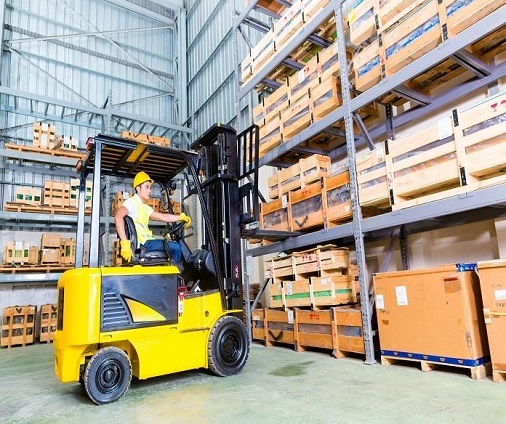
Successful completion of forklift training involves passing both written examinations to assess theoretical knowledge and practical tests that evaluate operational proficiency, encompassing forklift operation, inspection, and safe load handling.
Upon entering the examination phase, candidates are required to demonstrate their understanding of forklift operation principles, including maneuvering in tight spaces and handling various types of loads.
The theoretical examination encompasses topics such as load capacity calculations, center of gravity principles, and safety protocols.
Practical assessments focus on executing pre-operational checks, navigating obstacles, and lifting and stacking loads with precision and control.
Inspection criteria are rigorously evaluated, ensuring candidates can identify potential equipment defects and implement corrective measures, adhering to industry standards and regulations.
What Topics are Covered in Forklift Training?
Forklift training encompasses a comprehensive curriculum that addresses key topics such as forklift safety regulations, hazard identification, emergency procedures, equipment operation, maintenance, and load handling principles, ensuring a holistic approach to forklift operation and safety.
Covering safety regulations guarantees that operators understand the importance of OSHA standards and best practices to prevent accidents and injuries, while hazard identification and emergency procedures focus on preparing individuals to effectively respond to potential dangers.
The training delves into equipment operation and maintenance, imparting knowledge on forklift controls, maneuvers, and routine inspections.
Load handling principles are emphasized to ensure safe and efficient lifting, stacking, and transporting of various loads, contributing to overall workplace safety and productivity.
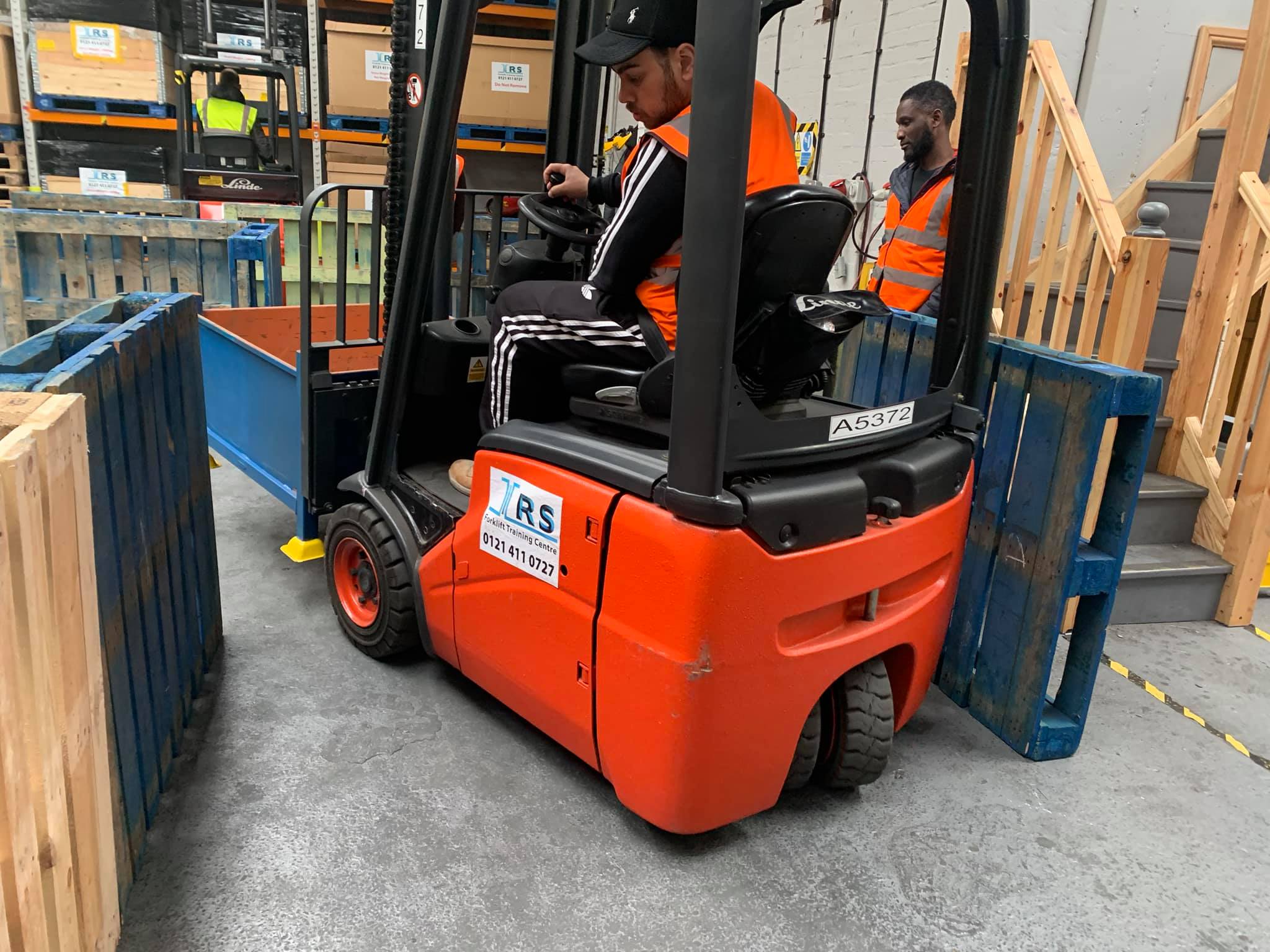
Forklift Safety Regulations
Forklift safety regulations constitute a fundamental aspect of the training curriculum, encompassing OSHA regulations and workplace safety standards to ensure compliance and promote a safe working environment within industrial settings.
These regulations play a crucial role in mitigating the risks associated with forklift operations, addressing factors such as operator training, equipment maintenance, and safe operational practices. OSHA’s guidelines for forklift safety are specifically designed to reduce the incidence of accidents and injuries in warehouses, distribution centers, and manufacturing facilities.
By adhering to these standards, organizations not only prioritize the well-being of their employees but also uphold operational efficiency and productivity.
Equipment Operation and Maintenance
The training program covers comprehensive instruction on equipment operation, maintenance, and regular inspection protocols vital for safe industrial vehicle operation and ensuring the longevity and efficiency of forklifts.
It is crucial for operators to remain vigilant in monitoring forklift components such as tires, brakes, and hydraulic systems to prevent potential malfunctions or accidents. Regular inspection routines help in early identification of wear and tear, enabling timely repairs and minimizing downtime.
Proficiency in forklift operation is critical for efficiency and safety, as skillful handling of loads and navigation through tight spaces reduces the risk of damage and workplace hazards, enhancing overall productivity and security.
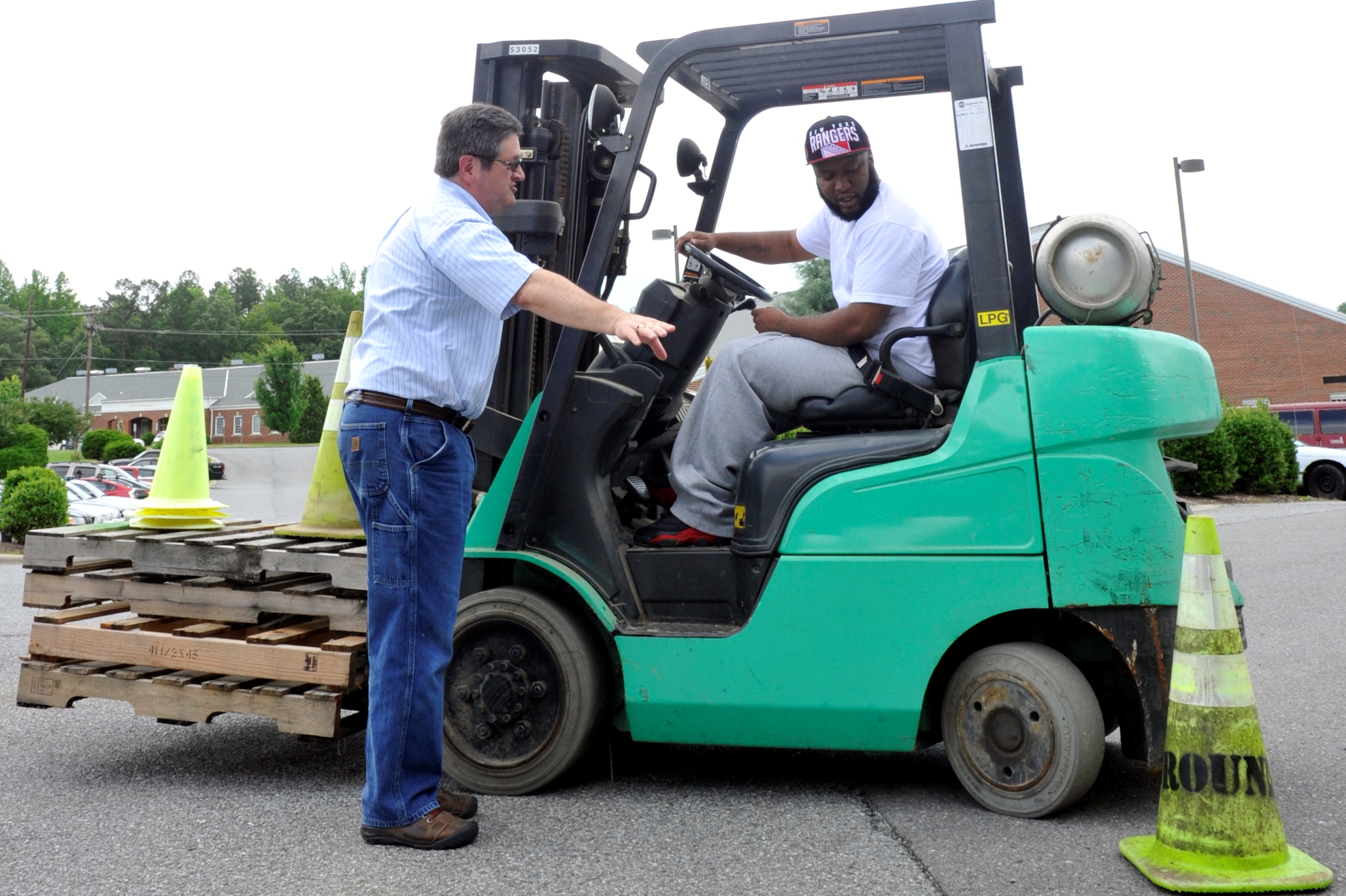
Load Handling and Stability
The curriculum delves into load handling techniques, stability principles, and the implementation of safety protocols to ensure secure load transportation, with a focus on promoting workplace safety and preventing potential hazards.
It places significant emphasis on the proper positioning of loads, understanding load centers, and the importance of weight distribution to maintain forklift stability.
The training instills best practices for maneuvering in confined spaces, navigating ramps and slopes, and the crucial role of regular equipment maintenance to uphold safe load handling operations.
By integrating practical exercises and simulations, trainees familiarize themselves with real-world scenarios, honing their ability to assess and address potential risks, thereby reinforcing the significance of secure load transportation and workplace safety.
Hazard Identification and Avoidance
The training program provides in-depth guidance on identifying workplace hazards and effectively avoiding potential risks through the implementation of safety guidelines and workplace safety precautions, fostering a proactive approach to hazard management.
It emphasizes the importance of creating a safety-conscious mindset among employees, encouraging them to actively participate in hazard identification and reporting.
By integrating practical scenarios and case studies, the program equips participants with the necessary skills to assess and address potential risks in their work environment.
It underscores the significance of continuous training to stay updated with evolving safety protocols and regulations, ensuring that the workforce remains prepared to navigate any unforeseen hazards effectively.

Emergency Procedures
The curriculum includes comprehensive training in emergency procedures, equipping operators with essential forklift safety tips and protocols to adhere to workplace safety standards during urgent situations, ensuring a prepared and proactive approach to emergencies.
This training covers a range of emergency scenarios, including hazard identification, evacuation procedures, and effective communication protocols. It emphasizes the importance of regular safety equipment checks and the proper operation of forklifts to mitigate potential risks.
The curriculum underscores the significance of maintaining a clean and organized workplace to prevent accidents and enhance overall safety. By integrating relevant keywords, this training program emphasizes the vital role of emergency preparedness and safety protocols in ensuring a secure and productive work environment.
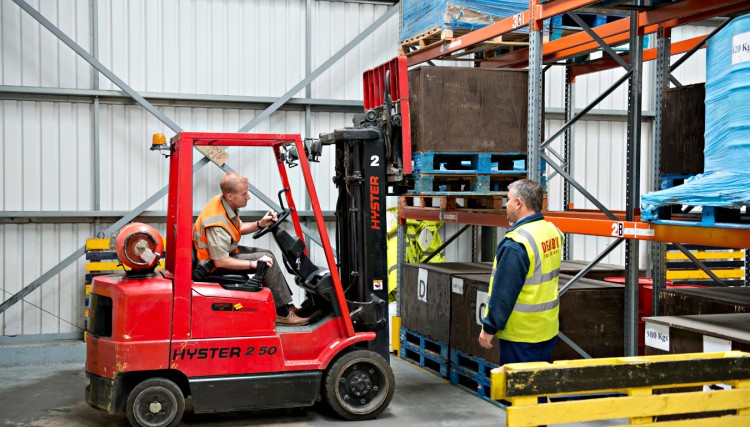
Frequently Asked Questions (FAQs)
What is forklift training?
Forklift training is a specialized program that teaches individuals how to safely operate a forklift. This includes learning about the different types of forklifts, proper handling techniques, and safety precautions.
Why is forklift training important?
Forklift training is important for the safety of both the operator and those around them. It helps to prevent accidents, injuries, and damage to equipment or goods. It also ensures that forklifts are operated efficiently and effectively.
Who should attend forklift training?
Anyone who will be operating a forklift, whether in a warehouse, construction site, or other setting, should attend forklift training. This includes both new and experienced operators, as well as those seeking to refresh their skills.
How long does forklift training take?
The length of forklift training can vary depending on the program and the experience level of the participants. Generally, basic training can take a few days, while more advanced or specialized training can take longer.
What will I learn in forklift training?
In forklift training, you will learn about forklift safety, operation techniques, and maintenance. You will also learn about different types of forklifts and how to handle various loads and environments. Some programs may also cover topics such as OSHA regulations and workplace safety.
Is forklift training required?
Yes, forklift training is required by law for anyone who will be operating a forklift. OSHA regulations state that employers must provide training and certification for all forklift operators, and operators must be retrained every three years.