Workplace safety training is a critical aspect of ensuring a safe and healthy work environment for employees. It encompasses a wide range of topics and legal requirements that employers must adhere to. In this comprehensive guide, we will explore the importance of workplace safety training, the legal requirements, the topics covered, and the various methods of conducting the training.
We will delve into the benefits of workplace safety training for both employees and employers, as well as strategies for ensuring that employees retain the information imparted during the training.
We will discuss the necessary steps to take in the event of an accident or emergency in the workplace. This article aims to equip both employers and employees with the knowledge and understanding necessary to promote a culture of safety and well-being in the workplace.
What is Workplace Safety Training?
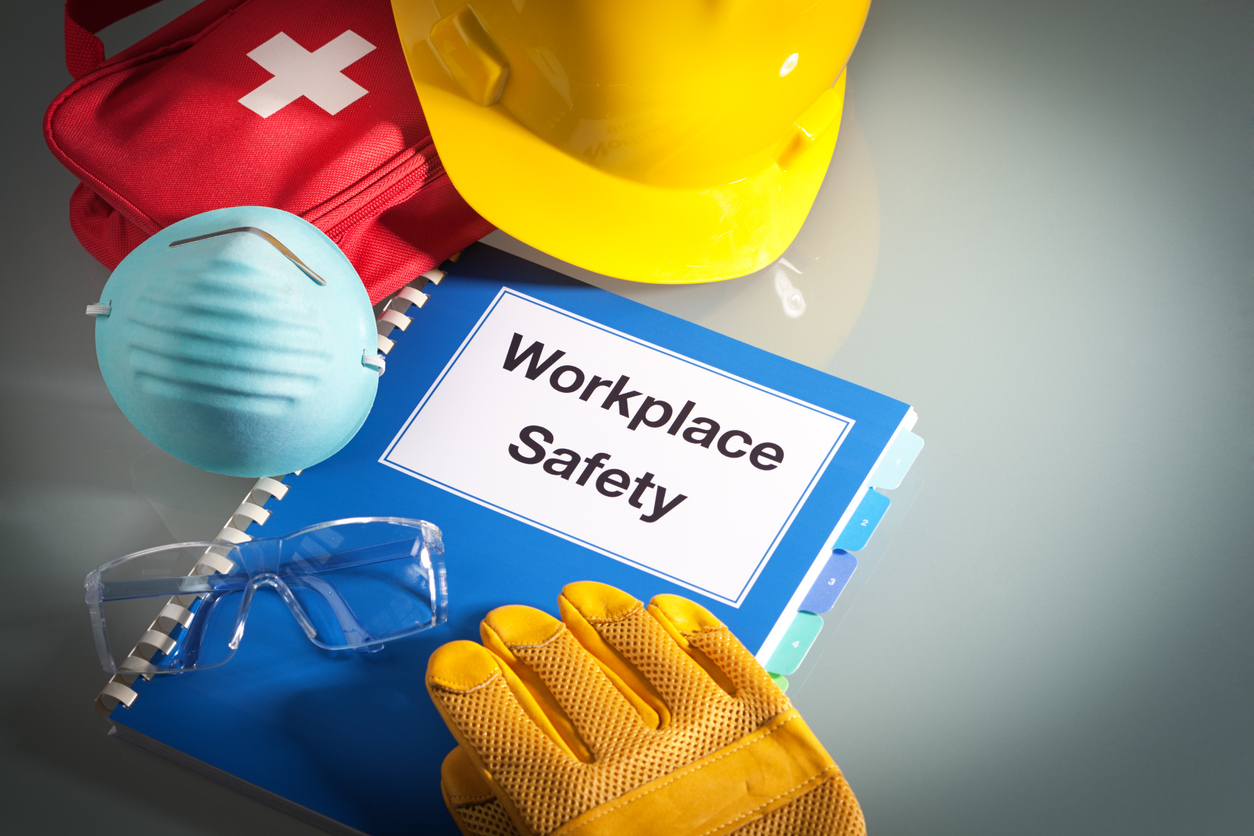
Workplace safety training is a crucial program designed to educate employees about the occupational safety regulations and foster a culture of safety awareness and compliance.
It plays a vital role in equipping employees with the knowledge and skills to identify and address occupational hazards, adhere to safety protocols, and respond effectively in emergency situations. By promoting a proactive approach to safety, safety education helps in reducing accidents and creating a secure working environment for all.
Safety training instills accountability and responsibility among employees, encouraging them to actively participate in maintaining a safe workplace for themselves and their colleagues.
Why is Workplace Safety Training Important?
Workplace safety training holds paramount importance in safeguarding employee safety, mitigating workplace hazards, and establishing robust safety procedures and risk management protocols.
Ensuring that employees are well-versed in safety measures and workplace safety guidelines significantly reduces the occurrence of accidents and injuries.
By adhering to safety standards, organizations can create a culture of awareness and preparedness, empowering employees to identify and address potential risks proactively.
Effective workplace safety training promotes a sense of responsibility and accountability among workers, leading to improved risk management practices and a safer work environment overall.

What are the Legal Requirements for Workplace Safety Training?
The legal requirements for workplace safety training encompass adherence to safety regulations, mandatory compliance training, and the formulation of comprehensive safety policies to ensure employee well-being and regulatory compliance.
It is imperative for organizations to prioritize the implementation of a robust safety training program to educate employees on safety protocols and equip them with the knowledge and skills necessary to maintain a safe working environment.
Compliance with safety regulations not only protects employees from workplace hazards but also safeguards the organization from potential legal liabilities.
Ongoing evaluation and updating of safety policies are essential to ensure that they align with the latest safety standards and best practices.
What Topics are Covered in Workplace Safety Training?
Workplace safety training encompasses a diverse range of topics, including hazard recognition, effective safety procedures, emergency preparedness, and measures to promote workplace health and well-being.
These safety training courses are designed to equip employees with the knowledge and skills to identify potential hazards in the workplace, respond effectively during emergencies, and comply with workplace safety guidelines.
Safety education also covers ergonomic practices, proper handling of hazardous materials, and guidelines for maintaining a safe and healthy work environment.
By addressing these critical areas, workplace safety training plays a vital role in mitigating risks and ensuring the well-being of employees.

Hazard Identification and Risk Assessment
Hazard identification and risk assessment are integral components of workplace safety training, fostering safety awareness and the implementation of essential safety protocols to mitigate workplace risks and hazards.
When employees are equipped with workplace safety tips and safety training materials, they gain the ability to recognize potential hazards and assess the associated risks effectively.
A culture of robust risk management is cultivated, allowing for the proactive identification of potential dangers and the formulation of preventive measures.
By integrating hazard recognition and risk assessment into daily operations, organizations can prioritize the well-being of their employees and create a safer work environment. This underscores the significance of consistent reinforcement of safety protocols and the continual evaluation and improvement of safety measures.
Emergency Procedures
Comprehensive workplace safety training includes detailed instruction on emergency procedures, equipping employees with the knowledge and skills to respond effectively to workplace accidents and emergencies, often supplemented by informative safety training videos.
This aspect of workplace safety initiatives is crucial in ensuring the preparedness of employees to handle unforeseen situations. Safety procedures are essential for minimizing harm and ensuring swift response in the event of an emergency.
Safety training videos serve as valuable tools to enhance the learning experience and improve employee readiness. By regularly integrating these resources into the workplace safety program, companies can strengthen their overall safety culture and protect the well-being of their employees.
Personal Protective Equipment (PPE)
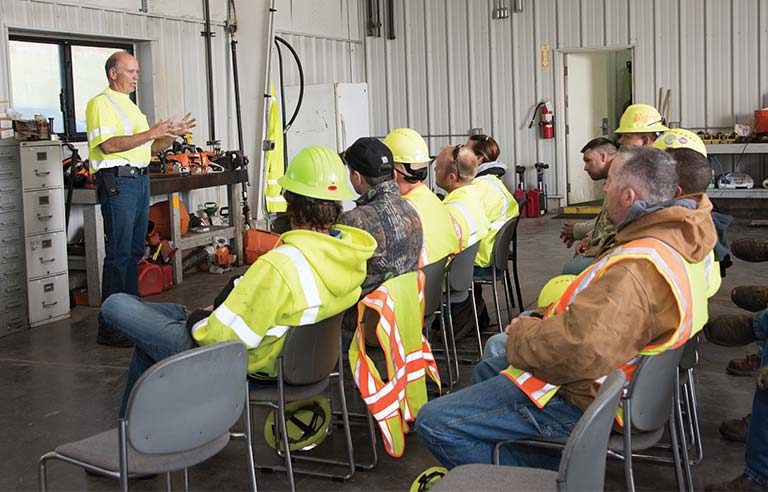
The inclusion of personal protective equipment (PPE) in workplace safety training underscores the emphasis on employee well-being, as it forms a vital aspect of comprehensive workplace safety programs, often integrated within safety training modules.
This integration reflects the commitment to implementing safety measures and enhancing workplace safety initiatives. PPE ensures that employees are equipped to handle potential hazards and risks in their work environments. It serves as a crucial preventive measure, reducing the likelihood of workplace accidents and injuries.
By incorporating PPE into safety training modules, employees develop a heightened awareness of the importance of using protective gear and understand its role in fostering a safe work culture.
Fire Safety
The inclusion of fire safety protocols in workplace safety training is imperative, ensuring that employees are equipped with essential knowledge and workplace safety tips to address fire hazards and promote safety compliance within the organization.
This comprehensive approach to safety training creates a safety culture where employees are conscious of fire safety guidelines and are empowered to take proactive measures for the prevention and management of fire incidents.
Workplace safety tips regarding fire safety encompass not only the use of fire extinguishers and evacuation procedures but also the importance of maintaining a clutter-free environment and conducting regular fire drills.
By integrating fire safety into workplace safety training, organizations can significantly mitigate the risk of fire-related accidents and enhance safety compliance.
Ergonomics and Musculoskeletal Disorders (MSDs)
In-depth coverage of ergonomics and musculoskeletal disorders (MSDs) in workplace safety training is crucial to address the prevention of workplace injuries and promote employee well-being through a focus on ergonomic best practices and the mitigation of MSD-related risks.
This comprehensive understanding of ergonomics and MSDs allows organizations to develop tailored safety education and training modules that integrate ergonomic principles and encourage the adoption of safe work practices.
Safety policies can be enhanced with specific guidelines geared towards minimizing the risk of MSDs, leading to a workplace environment that prioritizes employee health and comfort.
By integrating these elements into safety training, companies can effectively reduce the occurrence of work-related injuries and promote a culture of well-being and productivity.
How is Workplace Safety Training Conducted?
Workplace safety training is conducted through various modalities, including in-person training, online modules, and on-the-job instruction, aiming to deliver comprehensive safety education and compliance training to employees.
In-person training sessions allow for interactive engagement with safety trainers and real-life scenario demonstrations, fostering a hands-on learning experience.
Online modules provide flexibility for employees to complete safety awareness training at their convenience, often incorporating multimedia elements to enhance engagement.
On-the-job instruction involves direct application of safety protocols in the workplace, promoting practical understanding of safety procedures and precautions.
Each modality plays a crucial role in equipping employees with the necessary safety training materials and knowledge to uphold safety protocols in their work environments.

In-person Training
In-person training for workplace safety is an interactive and comprehensive approach that allows for the direct imparting of safety guidelines and the cultivation of a strong safety culture within the organization.
This method of training provides employees with hands-on experience, allowing them to practice safety protocols in real-time. In-person training fosters open communication, enabling participants to ask questions and seek clarification directly.
It enhances teamwork and collaboration as employees engage in group activities and discussions, reinforcing the importance of safety compliance.
The personalized nature of in-person training also facilitates the customization of safety training modules to address specific workplace hazards, thus creating a robust workplace safety program.
Online Training
Online training for workplace safety offers flexibility and accessibility, often incorporating informative safety training videos and compliance training modules to ensure comprehensive safety education for employees.
This approach allows workers to access essential safety procedures and risk management guidelines at their own pace, minimizing disruption to their daily responsibilities.
The utilization of interactive modules and real-life scenarios in online training enhances engagement and knowledge retention, leading to a more informed and safety-conscious workforce.
The convenience of accessing these resources remotely also reduces the time and costs associated with traditional in-person training, making it a practical and effective solution for organizations seeking to prioritize workplace safety.

On-the-Job Training
On-the-job training for workplace safety integrates safety measures and essential safety protocols directly into employees’ work environments, enhancing the practical application and adherence to safety standards on a day-to-day basis.
This training fosters a safety culture by instilling a sense of responsibility and awareness among employees regarding safety compliance. Through experiential learning, workers gain hands-on knowledge of workplace safety initiatives, enabling them to proactively identify and address potential hazards.
By immersing employees in real-world scenarios, on-the-job training reinforces the importance of safety protocols, ultimately creating a secure and reliable work environment.
What are the Benefits of Workplace Safety Training?
Workplace safety training yields numerous benefits, including heightened safety awareness, the implementation of effective safety measures, and adherence to robust safety policies to mitigate workplace hazards and enhance employee well-being.
Such training fosters a culture where safety compliance becomes ingrained in the organizational ethos, leading to a proactive approach in identifying and addressing potential hazards.
By instilling a workplace safety program, employees are empowered to take ownership of their safety and that of their colleagues, fostering a sense of responsibility and accountability.
Workplace safety initiatives not only reduce the risk of accidents and injuries but also contribute to a more productive and efficient work environment, ultimately benefiting the overall success of the organization.”

How can Employers Ensure Employees Retain Information from Workplace Safety Training?
Ensuring the retention of information from workplace safety training necessitates the implementation of reinforcement strategies, regular assessment of knowledge, and proactive measures by employers to embed safety practices within the organizational culture.
Reinforcement strategies can involve ongoing safety awareness training sessions, regular safety drills, and the consistent display of safety communication materials around the workplace.
Employers can also conduct regular assessments through safety quizzes, practical scenarios, and observation of adherence to safety measures.
Integrating safety practices into the organizational culture can involve involving employees in the development of safety protocols, promoting open dialogue about safety concerns, and recognizing and rewarding adherence to safety measures.
It is essential to ensure that safety training modules are regularly updated and relevant to the specific risks and hazards encountered in the workplace.
What to Do in Case of an Accident or Emergency in the Workplace?
In the event of an accident or emergency in the workplace, employees should promptly adhere to established safety protocols, apply emergency preparedness measures, and leverage the knowledge acquired through compliance training to ensure swift and effective response.
This includes promptly reporting the incident to the designated personnel, providing assistance to those in need while prioritizing personal safety, and cooperating with emergency responders.
Understanding the workplace safety guidelines, such as evacuation routes, first aid procedures, and the location of emergency equipment, is essential for navigating through unexpected situations.
Employees should also actively participate in risk management practices and contribute to creating a safe and secure work environment for everyone.

Frequently Asked Questions (FAQs)
What is workplace safety training?
Workplace safety training is a program designed to educate employees on safe work practices and procedures to ensure their health and safety in the workplace.
Why is workplace safety training important?
Workplace safety training is important for both employees and employers as it helps prevent accidents, injuries, and illnesses in the workplace. It also ensures compliance with safety regulations and reduces the risk of legal and financial repercussions.
Who is responsible for providing workplace safety training?
Employers are responsible for providing workplace safety training to their employees. They should ensure that their employees are aware of potential hazards and how to safely perform their job duties.
What topics should be covered in workplace safety training?
Topics covered in workplace safety training may include emergency procedures, hazardous material handling, proper use of personal protective equipment, and ergonomic principles. It should also address any specific safety concerns related to the job or workplace environment.
How often should workplace safety training be conducted?
The frequency of workplace safety training will vary depending on the job role and workplace hazards. It is generally recommended to conduct training annually or whenever there are changes in job duties or workplace conditions that may impact employee safety.
What should employees do if they encounter an unsafe situation in the workplace?
Employees should report any unsafe situation or hazard they encounter in the workplace to their supervisor or safety representative immediately. They should also take necessary precautions to avoid injury or harm to themselves or others.