Why finding the root of a wet basement matters
Basement water intrusion can lead to structural damage and unhealthy indoor conditions. Understanding the causes helps prevent costly repairs and mold growth. It also improves the comfort and safety of your home.
Common reasons for basement water intrusion
Water can enter basements through several pathways. Surface water from rain or melting snow often seeps through cracks or porous materials. Plumbing leaks and condensation also contribute to moisture problems. Ignoring these sources can worsen damage over time.
Identifying foundation cracks and leaks
Cracks in the foundation are a primary entry point for water. These can develop from soil movement, settling, or poor construction. Even small cracks allow water to seep in under pressure. Detecting leaks early requires close inspection, especially after heavy rain. Repairing cracks without addressing the underlying cause may only provide a temporary fix.
Impact of poor drainage systems
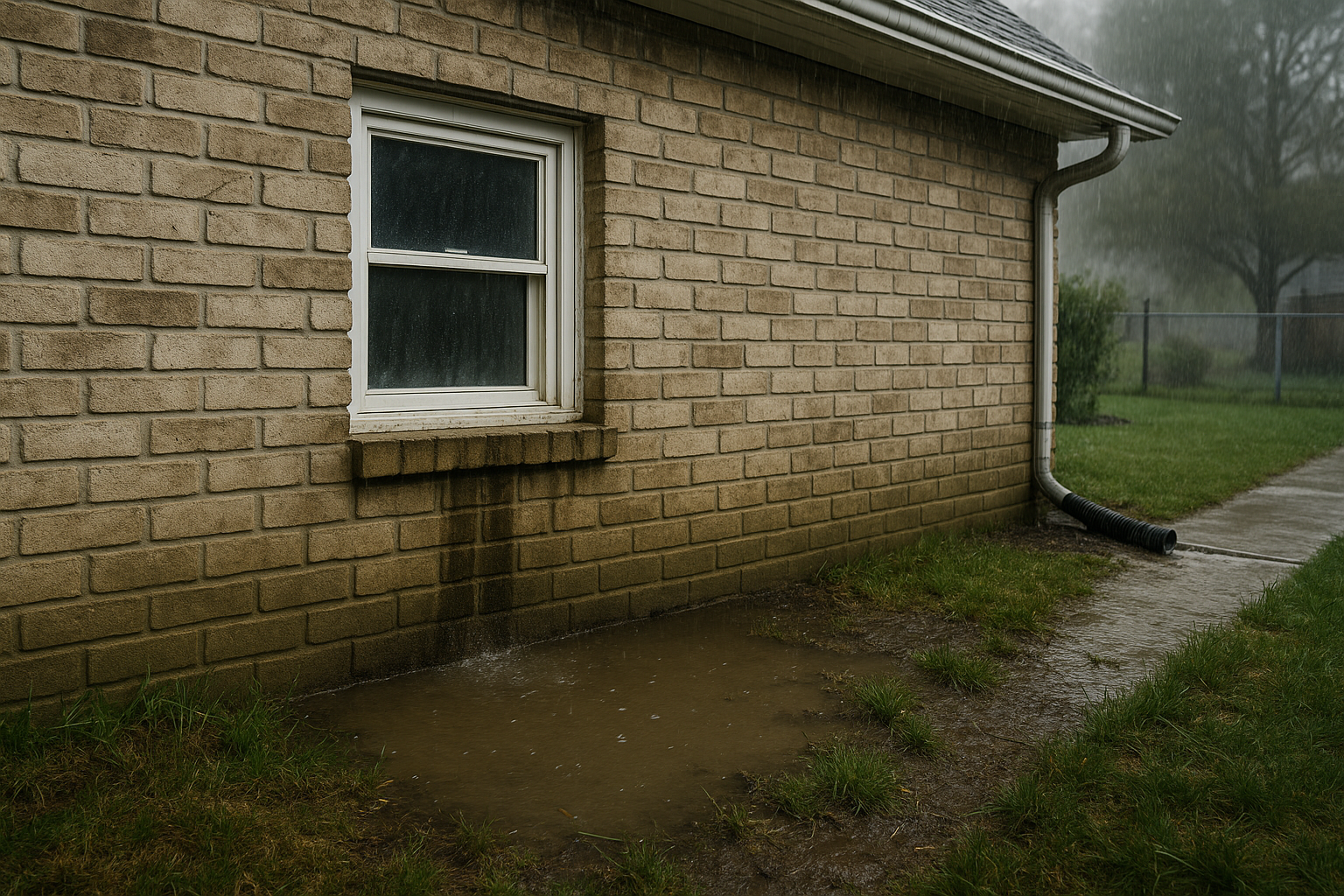
Drainage systems direct water away from your home’s foundation. When gutters, downspouts, or perimeter drains fail, water pools near the basement walls. This increases hydrostatic pressure, pushing water through any vulnerabilities. A common mistake is installing gutters that do not extend far enough from the house, which concentrates water near the foundation.
Role of groundwater and hydrostatic pressure
Groundwater levels fluctuate seasonally and with local weather. When the soil becomes saturated, water pressure builds against basement walls and floors. This hydrostatic pressure forces moisture through cracks and porous concrete. Proper waterproofing and drainage are essential to resist this pressure and prevent leaks. Ignoring groundwater effects often leads to persistent wet basement issues.
Effects of clogged gutters and downspouts
Addressing these factors involves a combination of inspection, maintenance, and sometimes structural repair. Homeowners should consider the full range of moisture basement causes to develop an effective prevention strategy.
Influence of soil type and grading
Leaves and debris can clog gutters and downspouts, causing water to overflow near the foundation. This runoff soaks into the soil and increases the risk of basement seepage. Regular cleaning is necessary to maintain proper water flow. Neglecting this simple maintenance step is a common cause of water problems in basements.
Seasonal factors contributing to wet basements
Soil characteristics affect how water drains around a home. Clay soils retain water and drain poorly, raising the chance of basement moisture. Proper grading slopes the soil away from the foundation, directing water downhill. Poor grading traps water against basement walls, increasing leak risk. Adjusting soil grade often requires professional assessment to avoid unintended drainage issues.
Seasonal changes impact basement moisture levels. Spring thaw and heavy rains saturate soil, increasing groundwater pressure. Freeze-thaw cycles can widen foundation cracks, worsening leaks. Summer droughts may cause soil shrinkage, leading to foundation movement. Understanding these cycles helps in planning maintenance and repairs.
Proper management of water around your home is critical. A comprehensive wet basements overview highlights how multiple factors interact to cause basement moisture problems and guides toward practical solutions.
Regular inspection of foundation integrity, drainage systems, and gutters reduces the risk of wet basements. Timely repairs and maintenance prevent water damage and preserve your home’s value.