Have you ever wondered what exactly is in your tap water? Join us in exploring the sources of tap water, how it is treated, and the chemicals that may be present. We will also discuss the potential health risks associated with consuming tap water, including contaminants, heavy metals, bacteria, pesticides, and even prescription drugs.
Discover more about what you may be unknowingly consuming every time you turn on your faucet.
What is Tap Water?
Tap water refers to the water that comes directly from the faucet in homes and buildings, sourced from local water supplies.
It is the most commonly used type of water for daily activities such as drinking, cooking, bathing, and cleaning. Due to its convenience and accessibility, tap water plays a vital role in households worldwide.
The quality of tap water can vary depending on the location and the condition of the water supply system.
Contaminants like bacteria, heavy metals, and chemicals can sometimes be found in tap water, highlighting the importance of having a reliable filtration system in place to ensure safe and clean drinking water for you and your family. Authentic Water USA’s blog breaks down many different contaminants and how to remove them.
What are the Sources of Tap Water?
Tap water can originate from various sources including surface water, groundwater, and reclaimed water, each with distinct characteristics and treatment requirements.
Surface water, such as rivers and lakes, is a common source for tap water but can contain contaminants like pesticides and fertilizers.
Groundwater, found in underground aquifers, generally has fewer pollutants but can still be affected by naturally occurring chemicals like arsenic and radon.
Some water treatment facilities use reclaimed water, which is processed from wastewater, to supplement drinking water supplies.
Surface Water
Surface water, such as rivers and lakes, serves as a crucial source of tap water for many communities, but it can be susceptible to contaminants from pollution and runoff.
These contaminants can pose serious health risks when consumed, with pollutants like arsenic and chlorine being especially hazardous. Arsenic, a naturally occurring element, can enter surface water through industrial processes or agricultural runoff, leading to severe health issues like skin damage and cardiovascular disease.
Chlorine, commonly used to disinfect water supplies, can react with organic matter to form harmful byproducts. Advanced filtration systems play a critical role in safeguarding public health by effectively removing these contaminants, ensuring that the tap water remains safe and clean for consumption.
Groundwater
Groundwater, found in aquifers beneath the earth’s surface, is a significant source of tap water known for its natural filtration process, but it can still contain contaminants like lead and nitrates.
Groundwater plays a crucial role in quenching the thirst of millions worldwide, offering a supply that’s often cleaner and more consistent than surface water sources.
The natural process of filtration as water seeps through layers of soil and rock helps remove impurities, making it a preferred source for drinking and irrigation purposes.
Certain contaminants like fluoride and iron can still find their way into groundwater, posing risks to human health if consumed in high concentrations. This necessitates the need for effective water treatment methods to ensure safe drinking water for all.
Reclaimed Water
Reclaimed water, treated wastewater that undergoes purification processes, is increasingly used as a source of tap water, posing challenges related to chemical residues and microbial contaminants.
One of the primary concerns associated with reclaimed water is the presence of pharmaceuticals, which can be difficult to remove through traditional water treatment methods.
The occurrence of hydrogen sulfide in reclaimed water poses a unique challenge due to its distinct odor and potential health risks.
To address these issues, water treatment facilities are investing in advanced purification techniques, such as reverse osmosis and advanced oxidation processes, to ensure that the reclaimed water meets stringent quality standards before being distributed for potable use.

How Is Tap Water Treated?
Tap water undergoes a series of treatment processes including coagulation, filtration, and disinfection to ensure it meets regulatory standards for safe consumption.
After the initial stage of coagulation, where chemicals like alum are added to the water to clump together impurities, the water moves to sedimentation. During this stage, the water sits undisturbed allowing the heavy particles to settle at the bottom, forming a layer of debris called floc.
Following sedimentation, the water undergoes filtration, passing through layers of sand, gravel, and charcoal to remove remaining particles. Disinfection takes place to kill any remaining bacteria and viruses through methods such as chlorination or UV treatment.
Coagulation and Flocculation
Coagulation and flocculation involve the use of chemicals to remove suspended particles from tap water, facilitating their aggregation for easier filtration and removal.
Coagulation is the initial step where coagulants are added to the water. These coagulants neutralize the charges on particles, causing them to clump together. This process helps in the formation of flocs, which are larger and heavier particles that can settle out more easily.
Flocculation follows coagulation and is crucial in further enhancing water clarity. During flocculation, gentle mixing is employed to allow the flocs to collide and aggregate, forming larger particles that are easier to separate from the water.
Sedimentation
Sedimentation allows heavier particles to settle at the bottom of treatment tanks, aiding in the removal of minerals, iron, manganese, and other impurities from tap water.
During the sedimentation phase of tap water treatment, the water is left undisturbed for a period of time to allow gravity to pull down the suspended particles. This process is crucial for mineral removal and pH adjustment in water, as it facilitates the separation of unwanted substances from the water.
The settling of these particles also plays a significant role in reducing the turbidity of water, making it clearer and safer for consumption. Sedimentation helps to mitigate acidity levels and aids in the removal of harmful contaminants like nitrates that may be present in the water supply.
Filtration
Filtration systems, such as activated carbon filters and reverse osmosis membranes, are employed to trap contaminants like chlorine, lead, and sediments present in tap water.
These filtration methods play a crucial role in ensuring that the water we consume daily is safe and clean. Reverse osmosis, for example, is highly effective in removing impurities at a molecular level, leaving behind pure drinking water.
The quality of pipes used in water distribution systems is equally vital. Corroded or old pipes can introduce contaminants into the water supply, compromising its purity. Therefore, regular maintenance of pipelines is essential to safeguard the delivery of clean drinking water to households.
Disinfection
Disinfection processes, such as chlorination or UV treatment, target microbes and pathogens in tap water to prevent waterborne diseases and ensure microbiological safety.
UV disinfection has gained popularity as an effective method in tap water treatment due to its ability to inactivate a broad spectrum of microorganisms without introducing harmful by-products.
This method utilizes ultraviolet light to disrupt the DNA of bacteria, viruses, and protozoa, rendering them unable to reproduce and cause infections.
Concerns about microbial contaminants like E. coli and pharmaceutical residues in water sources have led to an increased emphasis on rigorous disinfection processes to safeguard public health.
Storage and Distribution
After treatment, tap water is stored in reservoirs and distributed through a network of pipes to homes and businesses, ensuring consistent supply and maintaining water quality.
Once the treated water is in the reservoirs, its pH levels need to be carefully controlled to prevent the growth of harmful bacteria. pH regulation plays a crucial role in water networks as it helps in maintaining the overall quality of tap water.
Proper pH levels also aid in preventing corrosion which could lead to contamination. The role of pipes in this process cannot be understated as they act as the primary transportation system, effectively delivering clean water to its intended destinations while keeping it free from pollutants.
What Chemicals Are In Tap Water?
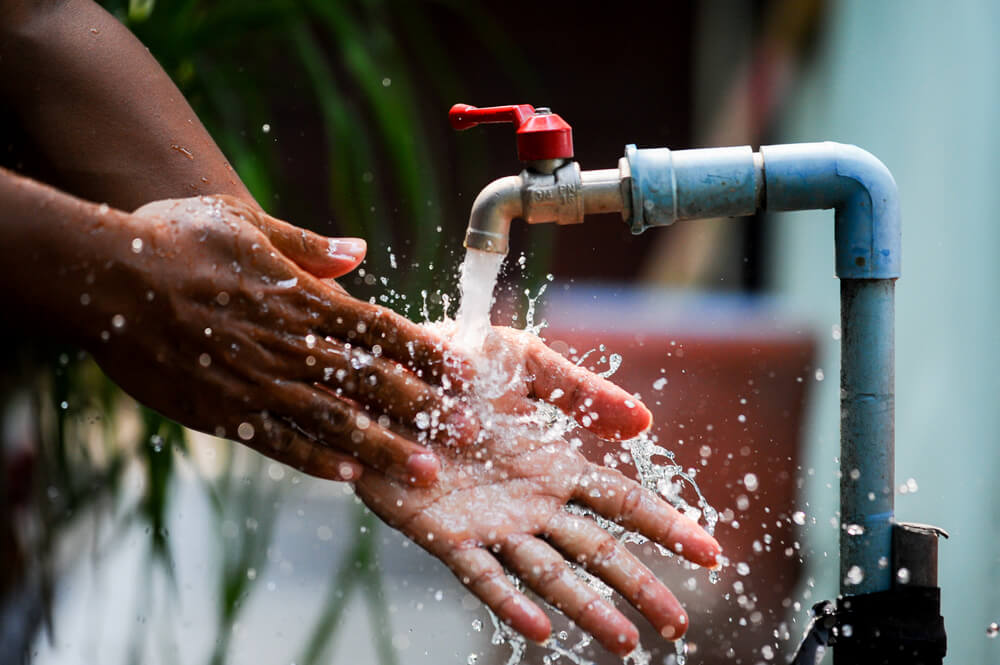
Tap water may contain various chemicals including chlorine for disinfection, lead from pipes, fluoride for dental health, arsenic, and nitrates from agricultural runoff or industrial sources.
Chlorine is commonly added to tap water to kill bacteria and viruses, while lead can leach into the water from old plumbing systems, posing significant health risks, especially in young children and pregnant women.
Fluoride, when present within recommended levels, helps prevent tooth decay. Excess fluoride intake may lead to dental fluorosis.
Arsenic, a naturally occurring element, can contaminate water sources in certain regions, causing long-term health issues such as skin lesions and cancer.
Nitrates, primarily from fertilizers, can enter water supplies, particularly in agricultural areas, and contribute to methemoglobinemia or ‘blue baby syndrome’ in infants.
Chlorine
Chlorine is a common disinfectant used in tap water treatment to kill bacteria and viruses, but it can react with organic matter to form harmful byproducts known as disinfection byproducts.
When chlorine is added to tap water, it effectively eliminates harmful microorganisms, making the water safe for consumption. During this disinfection process, chlorine can interact with natural organic compounds present in the water, leading to the formation of disinfection byproducts.
These byproducts, such as trihalomethanes and haloacetic acids, are considered potentially harmful and have been linked to various health risks, including cancer and reproductive issues.
Therefore, it is crucial for water treatment facilities to strike a balance between ensuring water safety by using chlorine as a disinfectant and minimizing the formation of disinfection byproducts.
Proper monitoring and control measures are necessary to mitigate the risks associated with these byproducts while maintaining water quality standards.
Fluoride
Fluoride is often added to tap water to promote dental health by preventing tooth decay, but excessive fluoride intake can lead to dental fluorosis or skeletal fluorosis.
Fluoride plays a crucial role in enhancing oral health as it helps in the remineralization of tooth enamel, making teeth more resistant to acid attacks and cavities. Fluoride in water is especially beneficial for communities that may not have access to regular dental care, providing a cost-effective way to improve dental hygiene on a population level.
Concerns arise regarding the optimal levels of fluoride in drinking water to balance its benefits and minimize the risk of fluorosis. Dental fluorosis, characterized by discoloration of teeth, is a cosmetic issue that can occur from overexposure to fluoride during early tooth development.
Lead
Lead contamination in tap water often stems from old plumbing systems or lead pipes, posing serious health risks including neurotoxic effects, especially in children and pregnant women.
Sources of lead entering tap water can also include corrosion of plumbing fittings or solder, and leaching from brass or chrome-plated faucets.
The presence of lead in drinking water can lead to a range of health issues like behavioral problems, learning disabilities, and even delays in physical and mental development. It is crucial to address lead contamination promptly to prevent long-term health consequences.
Strategies for lead remediation may involve implementing water treatment technologies, installing lead-filtering devices, or opting for complete pipe replacement.
Arsenic
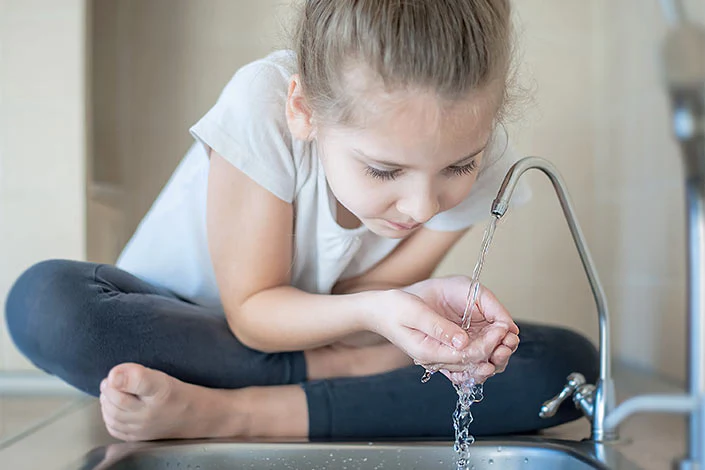
Arsenic, a naturally occurring element in some groundwater sources, can contaminate tap water and pose significant health risks such as cancer, skin lesions, and cardiovascular diseases.
Arsenic contamination in tap water primarily arises from the dissolution of natural deposits in underground aquifers, affecting communities relying on well water or private water sources.
Once arsenic seeps into the water supply, it can have severe health consequences for individuals consuming it over extended periods. Regular testing of tap water for arsenic levels is crucial to identify and address contamination promptly.
Taking preventive measures like installing an effective filtration system or opting for professional water treatment services can significantly reduce the risks associated with arsenic exposure.
Nitrates and Nitrites
Nitrates and nitrites in tap water primarily originate from agricultural runoff or fertilizer use, and high levels of these compounds can lead to methemoglobinemia or ‘blue baby syndrome.’
These compounds can also seep into groundwater from septic tanks or leaking sewage systems, adding to the contamination. Monitoring agricultural activities is crucial as excessive use of nitrogen-based fertilizers can significantly raise nitrate levels in water sources.
What Are The Health Risks Of Tap Water?
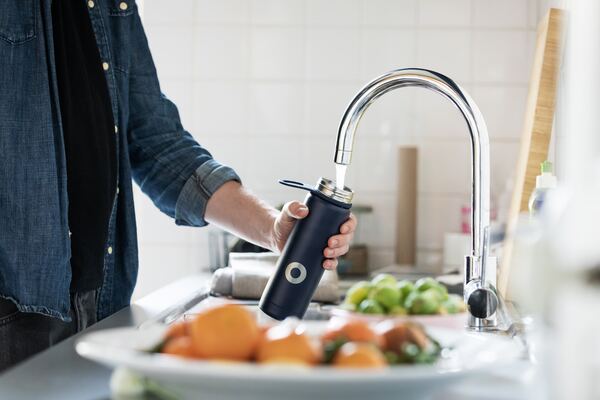
The health risks associated with tap water include exposure to contaminants like heavy metals, bacteria, viruses, pesticides, and even traces of prescription drugs that can impact human health.
Exposure to heavy metals such as lead, arsenic, and mercury from tap water can lead to serious health issues like neurological problems, organ damage, and developmental delays, especially harmful for pregnant women and children.
Microbial contamination in water sources can cause gastrointestinal illnesses and even more severe infections in individuals with weakened immune systems.
Pesticide residues in tap water have been linked to various chronic diseases like cancer and reproductive disorders.
Contaminants
Contaminants in tap water can include a wide range of pollutants such as industrial chemicals, pesticides, and disinfection byproducts that may pose risks to human health and the environment.
These pollutants can enter the water supply through various means, including agricultural runoff, improper disposal of chemicals, and aging infrastructure.
The presence of contaminants in tap water is a growing concern globally, with studies linking exposure to health issues like liver damage, reproductive problems, and even certain types of cancer.
Ensuring access to clean drinking water is essential for public health, and implementing sustainable purification methods such as activated carbon filtration, reverse osmosis, and UV disinfection can help reduce contamination levels and safeguard the quality of tap water.
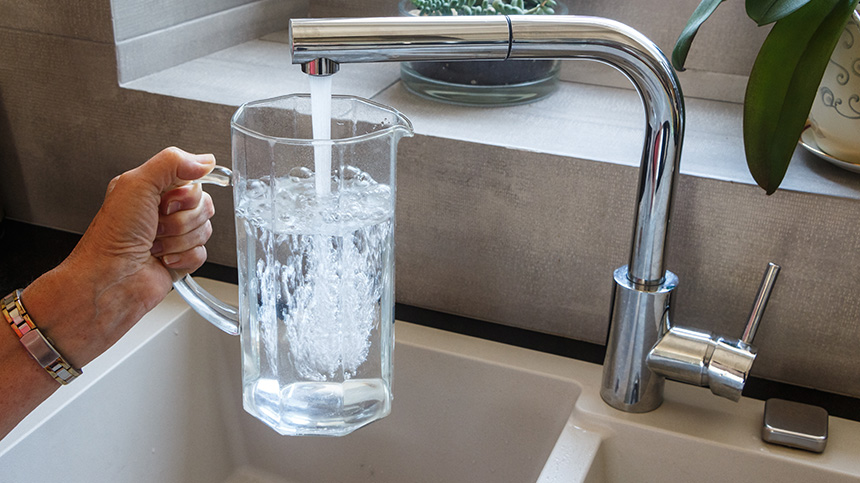
Heavy Metals
Heavy metals like lead, copper, and chromium can leach into tap water from plumbing systems or natural deposits, potentially causing neurological, hepatic, or renal issues upon chronic exposure.
Exposure to lead and copper in drinking water poses significant health risks, especially for pregnant women and children, as even low levels of these heavy metals can have detrimental effects over time.
Sources of lead exposure in tap water include old lead pipes, fixtures, and solder, while copper can come from corrosion of copper pipes and fittings.
Chronic ingestion of these heavy metals can lead to developmental delays in children, kidney damage, increased blood pressure, and even certain types of cancer.
Bacteria and Viruses
Bacteria and viruses can infiltrate tap water supplies through environmental contamination or aging infrastructure, leading to waterborne diseases like gastroenteritis, typhoid, or hepatitis.
These pathogens thrive in stagnant water or pipes with biofilm buildup, creating breeding grounds for harmful microorganisms. Without proper treatment, microbial contamination can result in severe health risks for consumers.
Inadequate chlorination or filtration processes can leave water vulnerable to contamination, compromising public health and safety. Notably, water sources contaminated with E. coli, Cryptosporidium, Giardia, or Legionella pose significant threats and can trigger widespread outbreaks of infections.

Pesticides and Herbicides
Pesticides and herbicides from agricultural activities can seep into tap water sources, presenting health hazards like endocrine disruption, organ damage, and developmental issues upon prolonged exposure.
These harmful chemicals, when found in tap water, can particularly impact vulnerable populations such as children, pregnant women, and the elderly.
- Contaminants such as atrazine, glyphosate, and chlorpyrifos have been detected in various water supplies, raising concerns about their potential long-term effects on human health.
Reducing pesticide contamination in tap water is crucial for maintaining public health, and this can be achieved through effective source control measures and advanced treatment technologies.
Prescription Drugs
Traces of prescription drugs and pharmaceutical compounds have been detected in tap water samples, raising concerns about potential health effects from long-term exposure to these substances.
Although the levels of these pharmaceutical residues in tap water are typically low, the cumulative impact over time is worrying.
Current water treatment methods are not always effective in fully removing these complex compounds, posing challenges for ensuring water safety.
As these substances are not typically monitored or regulated in water treatment processes, the need for more advanced water filtration systems is becoming increasingly urgent.
Implementing cutting-edge technologies in water treatment can significantly reduce the presence of pharmaceutical contaminants, safeguarding public health and water quality.
Frequently Asked Questions (FAQs)
What Exactly is in My Tap Water?
Tap water is the water that comes out of your faucet at home, typically supplied by a municipal water system.
What chemicals are found in tap water?
Some chemicals that are commonly found in tap water include chlorine, fluoride, and various disinfectant byproducts.
Why is tap water treated with chlorine?
Chlorine is added to tap water as a disinfectant to kill harmful bacteria and viruses that may be present.
Should I be concerned about lead in my tap water?
Yes, lead can be found in tap water due to aging pipes and plumbing systems. It is important to have your water tested for lead.
Do water filtration systems remove all contaminants from tap water?
While a water filtration system can remove many contaminants, it may not remove all impurities. It is important to research and choose a reliable filtration system.
Can I drink tap water without filtering it?
The safety of drinking tap water without filtration depends on the quality of your local water supply. It is always recommended to have your water tested and to use a filtration system if necessary.