The Benefits of a Nordic Spa Retreat in Ontario’s Thousand Islands
Ontario’s Thousand Islands region is known for its rugged shorelines, quiet forests, and wide-open water views. What many visitors don’t realize is that this same landscape creates an ideal setting for one of the most restorative wellness practices in the world: the Nordic spa experience.
If you’ve been searching for a nordic spa in Ontario that prioritizes guided wellness over crowded pools and busy resort atmospheres, Eastern Ontario’s smaller retreats offer something distinctly different.
The Scandinavian thermal cycle, which alternates between cedar sauna heat, cold immersion, and deep rest in nature, has been practiced in Nordic countries for centuries as a way to reset the nervous system, improve circulation, and release accumulated stress. In Ontario, a growing number of spas have adapted this tradition to the Canadian landscape, pairing outdoor thermal circuits with forest settings, breathwork, and science-backed recovery modalities.
Whether you’re planning a solo day of restoration, a couples’ retreat, or a longer immersive experience, the Thousand Islands area delivers a level of serenity and natural beauty that amplifies every stage of the thermal journey. This article walks through what defines a true Nordic spa experience, how the hot-and-cold circuit works in practice, the measurable benefits of contrast therapy, and what to consider when choosing a thermal spa that fits your goals.
What Defines A Nordic Spa Experience
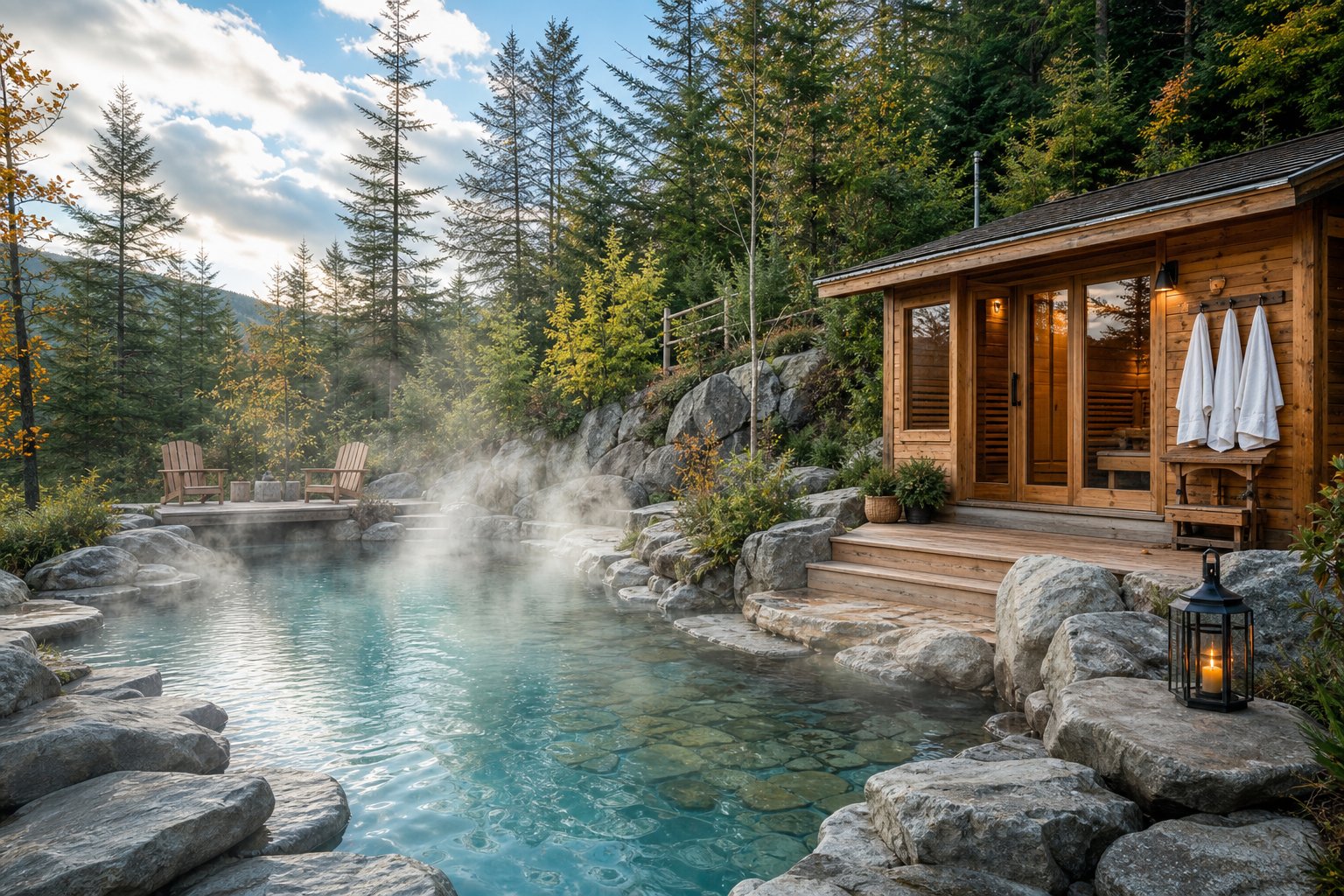
A Nordic spa experience is built on a simple but powerful principle: alternating between heat, cold, and rest in a natural outdoor setting. The practice draws from centuries of Scandinavian and Finnish bathing culture, where thermal cycling was woven into daily life as a tool for physical recovery and mental clarity. In Ontario, the philosophy of hydrotherapy circuits has been adapted to take advantage of the province’s forests, lakeshores, and seasonal extremes.
The Thermal Cycle: Heat, Cold, And Rest
The thermal cycle follows a three-phase pattern. You begin in a heat source, such as a cedar sauna or steam room, where your core temperature rises and your muscles begin to relax. Next, you move into a cold immersion, whether that’s a cold plunge pool, an ice bath, or even a brisk outdoor shower. The final phase is rest, where you sit or recline in a quiet space and allow your body to recalibrate.
Most practitioners recommend repeating the cycle two to three times per visit. Each round tends to feel different. The first cycle often feels intense, while subsequent rounds allow your body to relax more deeply as your nervous system adapts to the contrast.
How Hydrotherapy And Thermotherapy Overlap
You’ll sometimes see the terms hydrotherapy and thermotherapy used interchangeably, but they refer to slightly different things. Hydrotherapy is the broader practice of using water at varying temperatures for therapeutic purposes. Thermotherapy focuses specifically on the application of heat and cold to influence circulation, tissue recovery, and the autonomic nervous system.
In a Nordic spa setting, both overlap. The thermal circuit uses water-based elements like hot pools and cold plunges alongside dry heat from saunas. A Nordic spa is a type of wellness center that focuses on hydrotherapy, but the structured alternation between temperatures is what makes it a thermotherapy circuit. When you experience both together, the effects on blood flow and nervous system regulation compound.
Why Rest In Nature Matters To The Experience
The rest phase is where many visitors underestimate the value of a Nordic spa. Sitting quietly in an outdoor relaxation area, surrounded by trees, open sky, and fresh air, isn’t just pleasant. It’s functional. Your body needs time between heat and cold exposures to stabilize your heart rate, redistribute blood flow, and shift into a parasympathetic state.
Nature is part of the therapy itself. Fresh air, natural materials, and time outdoors create a slower, more mindful rhythm that amplifies the physical benefits. Forest bathing, the practice of immersing yourself in a wooded environment, has its own body of research supporting reduced cortisol levels and improved immune function. When you combine that with the thermal cycle, the outdoor setting becomes more than scenery. It becomes part of the treatment.
How The Hot And Cold Circuit Works In Practice
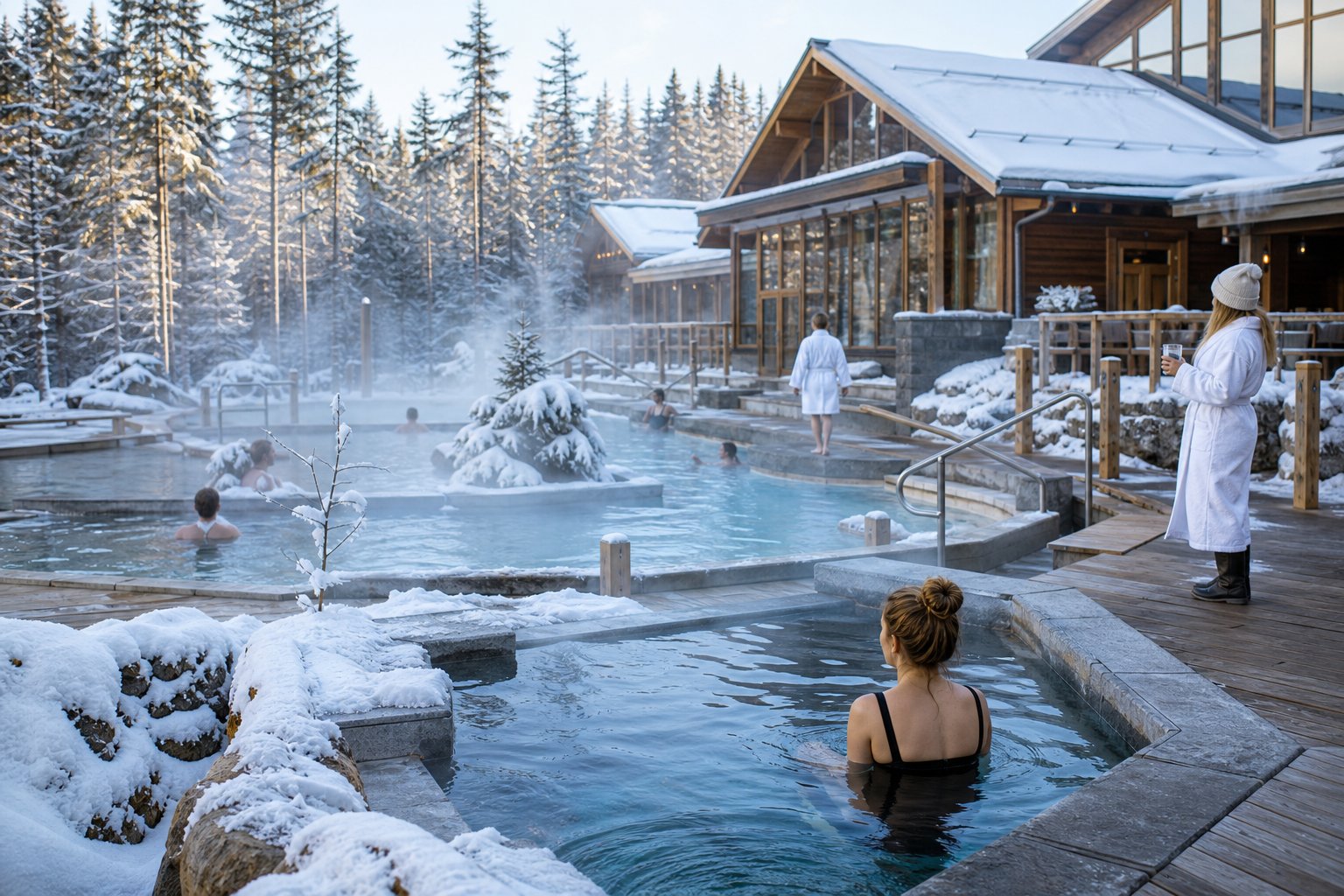
Each stage of the hot-and-cold circuit triggers a distinct physiological response. Heat dilates blood vessels and loosens muscle tissue. Cold constricts blood vessels and stimulates the release of endorphins. Rest allows your cardiovascular and nervous systems to find equilibrium. The order matters, and so does the duration you spend at each station.
Sauna Heat, Steam, And Warming Options
Most Nordic spas in Ontario offer at least one dry sauna and one steam-based option. A wood-fired sauna produces intense, dry heat that raises your skin temperature rapidly and encourages deep sweating. Cedar-lined saunas are common and add a subtle aromatic quality to the experience.
Steam rooms, sometimes infused with eucalyptus, provide a gentler, more humid heat. If you have sensitive airways or find dry saunas uncomfortable, a eucalyptus steam room is often more tolerable while still raising your core temperature. Some facilities also include hot pools or hot baths as a warming station. The Thermal Experience at Terra Nova Nordic Spa, for instance, begins with a choice between a wood-fired sauna, eucalyptus steam room, or hot pool.
A practical tip: spend eight to fifteen minutes in the heat source. You want to feel thoroughly warm, but not dizzy or lightheaded. Leave the sauna before you feel you need to.
Cold Plunge, Ice Bath, And Cooling Rituals
The cold phase is where most first-timers hesitate, and where the most noticeable shift happens. A cold plunge pool typically sits between 4°C and 10°C. Ice baths are even colder. Some spas offer a cold shower or outdoor rain feature as a milder alternative.
When you submerge in cold water, your blood vessels constrict rapidly, redirecting blood toward your organs. Your breathing naturally quickens, and managing that response is a key skill. Controlled exhalation during the first ten to fifteen seconds helps you stay calm and extends the time you can comfortably remain in the water.
You don’t need to stay long. Thirty seconds to two minutes is effective for most people. The goal isn’t endurance. It’s the contrast.
Relaxation Between Rounds
After cold immersion, find a quiet spot and sit still. Outdoor hammocks, Adirondack chairs near a fire pit, or a sheltered gazebo all work well. Some guests wrap in a warm robe; others prefer to let the cool air dry their skin naturally.
This is the phase where many people report tingling skin, a deep sense of calm, and what’s sometimes described as a full-body sigh. Your heart rate slows, your breathing steadies, and a wave of relaxation often settles in within two to three minutes. Sipping tea or warm water during rest helps maintain hydration without disrupting the parasympathetic state you’ve triggered.
Most experienced spa-goers recommend resting for at least ten to fifteen minutes before starting the next cycle. Rushing this phase diminishes the cumulative benefit.
Benefits Of Contrast Therapy For Body And Mind
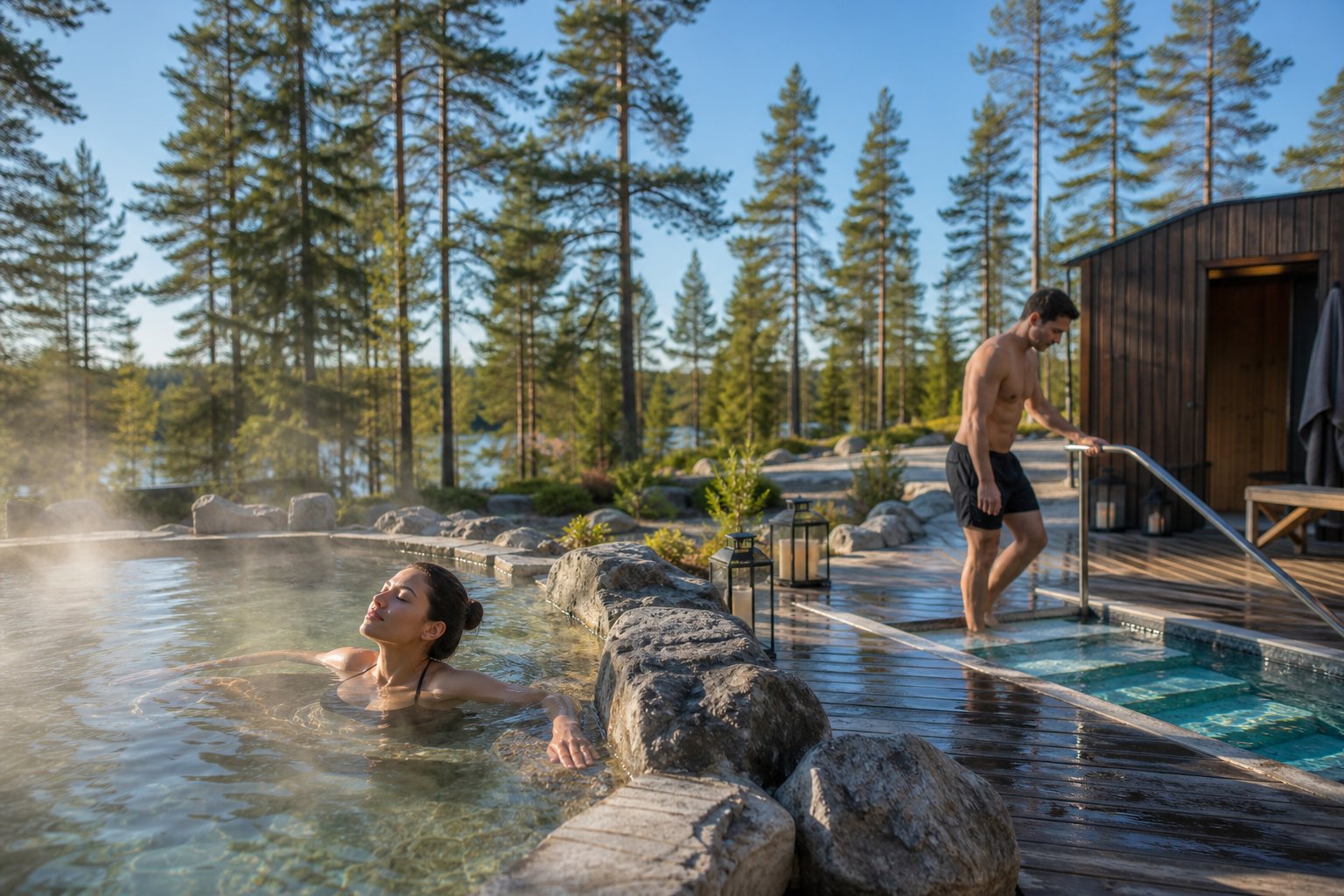
The combination of heat and cold exposure produces measurable effects on your circulatory, muscular, and nervous systems. These benefits aren’t just subjective; they are supported by a growing body of research on contrast therapy, hydrotherapy, and thermotherapy. What makes a Nordic spa particularly effective is that the natural outdoor setting and structured pacing amplify these physiological responses.
Nervous System Regulation And Stress Recovery
Alternating between heat and cold trains your autonomic nervous system to shift more fluidly between sympathetic (fight-or-flight) and parasympathetic (rest-and-digest) states. Over the course of several thermal cycles, your body practices activating and then calming the stress response. This is one reason many people leave a Nordic spa feeling not just relaxed, but genuinely reset.
For people carrying chronic stress, this kind of regulation practice can be meaningful. Contrast therapy has been practised in Scandinavian cultures for centuries and is now supported by peer-reviewed research on its cardiovascular, neurological, and musculoskeletal effects. The cold phase, in particular, stimulates vagal tone, which strengthens your body’s ability to recover from stressful events more quickly.
First responders, healthcare workers, and people in high-pressure roles often find this kind of nervous system work especially valuable.
Circulation, Muscle Recovery, And Deep Rest
When you move from a sauna to a cold plunge, your blood vessels dilate and then constrict rapidly. This vascular pumping effect improves circulation and helps flush metabolic waste from muscle tissue. Regular and careful use of a sauna can lead to soothed muscles and joints, increased blood circulation, and improved sleep.
Cold plunging has been reported to increase endorphins and accelerate metabolism. The combination of both, repeated over two or three cycles, leaves your muscles feeling loose and your joints noticeably less stiff. Many guests report sleeping deeply the night after a thermal spa visit, sometimes for several hours longer than usual.
If you’re recovering from intense physical activity or dealing with chronic tension, contrast therapy offers a drug-free approach to recovery that you can feel within hours.
Why Breathwork Can Improve Cold Exposure
The moment you step into cold water, your body’s instinct is to gasp and breathe rapidly. Learning to override that reflex with slow, controlled breathing transforms the cold plunge from something you endure into something that actually feels productive.
Breathwork techniques, particularly extended exhales and rhythmic nasal breathing, activate the parasympathetic nervous system before and during cold immersion. This keeps your heart rate manageable and reduces the shock response. At Nature’s Elements Wellness in Mallorytown, breathwork is woven directly into the thermal spa journey, with guides walking you through breathing techniques before your first cold plunge.
If you’ve never tried controlled breathing during cold exposure, start simply: inhale for four counts through your nose, exhale for six to eight counts through your mouth. Focus on the exhale. It’s the exhale that signals safety to your nervous system.
What To Look For In An Ontario Thermal Spa
Not all thermal spas are built the same. The differences between facilities can significantly affect the depth and quality of your experience. When choosing a nordic spa in Ontario, focus on three key areas: how much guidance you’ll receive, the quality of the natural setting, and what additional wellness modalities are available beyond the thermal circuit.
Guided Versus Self-Directed Experiences
Some spas hand you a robe, point you toward the pools, and leave you to figure things out. Others walk you through every stage of the thermal cycle, explain the purpose of each station, and teach you breathing and relaxation techniques along the way.
If you’re new to contrast therapy, a guided approach makes a significant difference. Understanding why you’re alternating between hot and cold, and how to breathe through each transition, changes the experience from intimidating to empowering. Look for spas that offer one-on-one orientation or small-group instruction, especially for your first visit.
The guided model also tends to create a more intentional, unhurried pace. You’re less likely to rush through the circuit when someone is helping you understand the value of the rest phase.
Natural Setting, Privacy, And Spa Amenities
The outdoor environment matters more than most people expect. A thermal circuit surrounded by forest, with natural sightlines and limited noise, produces a qualitatively different experience than one in a suburban parking lot.
Look for retreats that offer genuine privacy and a low guest-to-space ratio. Overcrowded pools and noisy common areas undermine the very calm the thermal cycle is designed to produce. Spa amenities like outdoor hammocks, fire pits, sheltered gazebos, and walking trails extend the rest phase and give you options between rounds.
Some facilities also include red light therapy rooms, infrared saunas, or forest bathing paths. These complement the thermal circuit without adding complexity.
Wellness Classes, Retreats, And Added Modalities
Beyond the thermal circuit itself, many Ontario spas now offer wellness programming that deepens the restorative effect. Yoga classes, meditation sessions, sound healing, and multi-day retreats are increasingly common.
If you’re looking for more than a single spa day, retreats that combine the thermal experience with breathwork, gentle movement, and forest immersion can provide a more comprehensive reset. Nature’s Elements Wellness, for example, offers immersive multi-day retreats alongside its thermal spa experience, including programming designed specifically for first responders.
The availability of additional modalities like red light therapy or hydrogen inhalation therapy can also distinguish one spa from another. Consider what aligns with your wellness goals before booking.
How Eastern Ontario Compares To Other Spa Destinations
Ontario’s Nordic spa landscape has expanded rapidly, with options ranging from large resort-style facilities near Toronto to intimate retreats in rural settings. Your preference likely comes down to what kind of atmosphere supports your relaxation best: social energy and polished infrastructure, or quiet seclusion and personal attention.
Scandinave Spa Blue Mountain is one of Ontario’s most established thermal spa destinations. Set on a forested 10-hectare property near the Niagara Escarpment, it offers a full indoor-outdoor thermal journey with multiple hot pools, cold plunges, waterfalls, saunas, and steam rooms. The facility enforces a silence policy throughout the grounds, which helps maintain a contemplative atmosphere even with higher guest volumes.
The trade-off with a large facility is that peak-season visits can feel busy. Weekday visits and shoulder-season timing help, but the experience is fundamentally different from a smaller property where you may be one of only a handful of guests.
Why Smaller Thousand Islands Settings Appeal To Some Guests
The Thousand Islands region of Eastern Ontario offers something that larger destinations near the GTA rarely can: genuine solitude. Properties in this area tend to sit on wooded land with low guest counts, minimal road noise, and an unhurried rhythm that mirrors the thermal cycle itself.
For guests who find busy spa environments counterproductive, a smaller setting delivers a more immersive result. The intimate scale also allows for personalized guidance. At retreats like Nature’s Elements Wellness in Mallorytown, you’re not navigating a complex facility on your own. You’re walked through every step by people who know the practice deeply and adjust the experience to your comfort level.
If your goal is restoration rather than recreation, the Thousand Islands corridor deserves serious consideration.
Planning A Restorative Spa Day In Ontario
A few practical decisions can shape whether your spa day feels rejuvenating or rushed. Thinking through timing, format, and logistics beforehand lets you arrive relaxed and stay that way.
Choosing Between Day Visits, Retreats, And Private Sessions
Most Ontario thermal spas offer single-day admission, which typically gives you access to the full thermal circuit for a set number of hours. This works well if you want a focused reset without an overnight commitment.
If you’re looking for something deeper, multi-day retreats combine the thermal experience with yoga, breathwork, meditation, and structured downtime. These are especially effective for nervous system recovery because the benefits of contrast therapy compound over consecutive days.
Private sessions are ideal for couples, small groups, or anyone who prefers a completely personalized pace. Some properties offer private sauna and cold plunge bookings with guided instruction, which removes any self-consciousness about trying cold immersion for the first time.
Food, Drink, And Midday Breaks
Hydration matters more than you might expect during a thermal spa visit. You lose a significant amount of water through sweating in the sauna, and cold plunging increases your metabolic rate. Drink water or herbal tea between every cycle.
Many Ontario spas include an on-site café or bistro. Terra Nova Nordic Spa serves specialty coffees, loose-leaf teas, and a range of lunch options, including a high tea service that complements a day of self-care. Other facilities offer light snacks, soups, sandwiches, and sweet treats.
Avoid heavy meals immediately before the thermal circuit. A light snack about an hour before your session, and a more substantial meal afterward, tends to feel best.
Timing, Rates, And Seasonal Considerations
Weekday visits are almost always quieter and often more affordable. If your schedule allows a Thursday or Friday visit, you’ll likely enjoy smaller crowds and a more spacious feel at the pools and saunas.
Rates vary significantly across Ontario’s Nordic spas. Larger facilities near Toronto tend to charge more, while Eastern Ontario retreats may offer comparable or more personalized experiences at a lower price point. Some spas offer seasonal memberships or spa credit that can be applied to massages, facials, or add-on treatments.
Winter is arguably the best season for contrast therapy. The cold air intensifies the warmth of the sauna, the cold plunge feels sharper and more invigorating, and the snow-covered surroundings create an atmosphere that’s hard to replicate in warmer months. That said, every season offers something different. Summer visits come with lush forest canopy and longer daylight, while fall brings colour and crisp air that enhance the rest phase beautifully.