Foot Pain: Causes, Diagnosis, and Effective Relief Tips
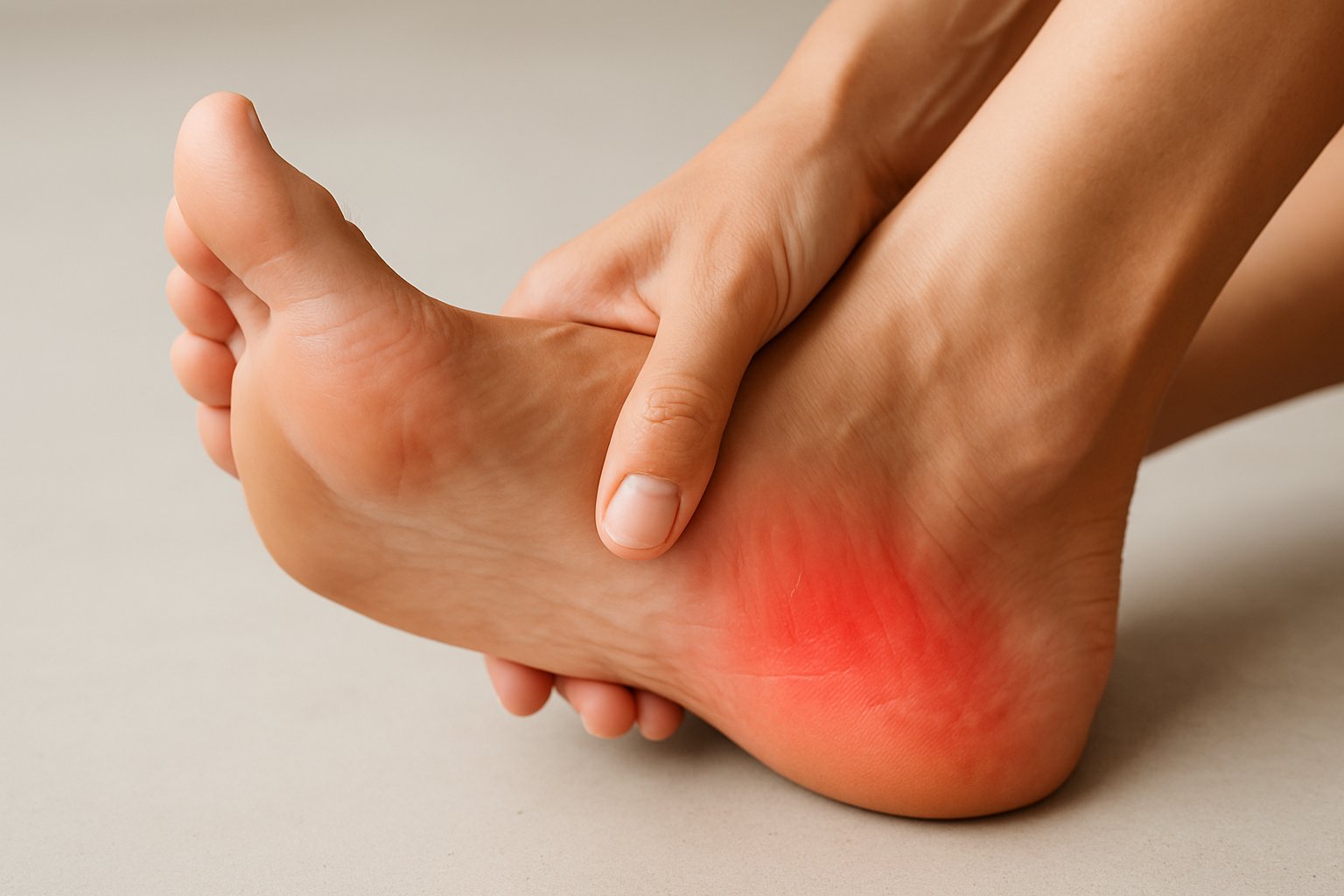
I’ve dealt with foot pain more times than I care to remember, and I know how frustrating it can be when every step feels like a challenge. Whether you’re dealing with sharp heel pain first thing in the morning, aching arches after a long day, or throbbing toes that make wearing shoes uncomfortable, foot pain affects millions of people and can seriously impact your daily activities.
Foot pain can stem from dozens of different causes, ranging from simple overuse and poor footwear choices to complex medical conditions like plantar fasciitis, arthritis, and nerve damage. The location of your pain often provides important clues about what’s actually going wrong – heel pain might signal plantar fasciitis, while big toe pain could indicate gout or an ingrown toenail.
What I find most encouraging is that the vast majority of foot pain cases can be successfully treated once you understand the root cause. From simple home remedies and lifestyle changes to targeted medical treatments, there are proven strategies that can get you back on your feet comfortably. The key is identifying exactly what type of foot pain you’re experiencing and choosing the right approach to address it.
Key Causes and Types of Foot Pain
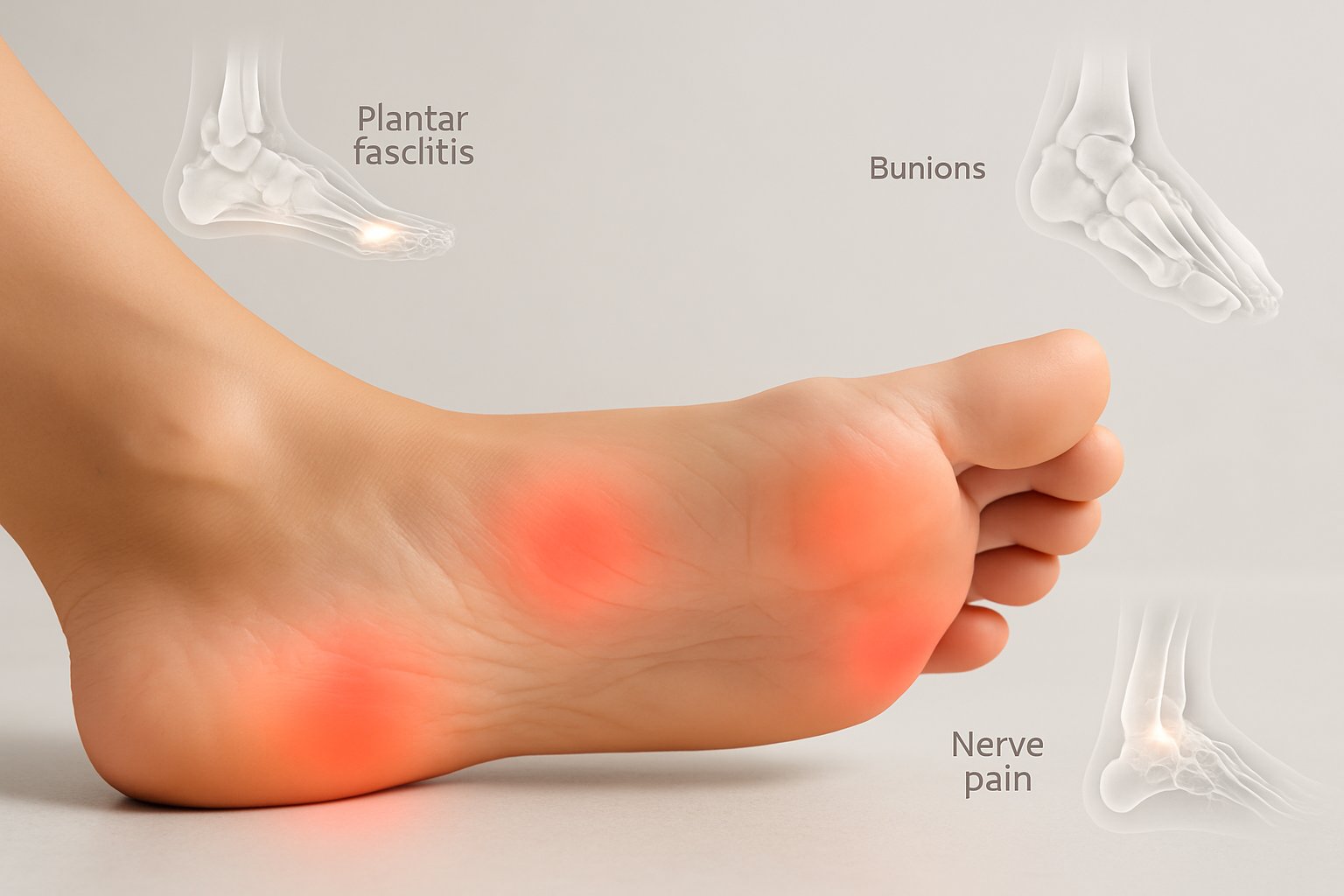
Foot pain stems from various conditions that affect different parts of your feet. The most common culprits include inflammation of the plantar fascia causing heel discomfort, structural deformities like bunions creating pressure points, joint diseases such as arthritis and gout, and acute injuries from everyday activities.
Plantar Fasciitis and Heel Pain
Plantar fasciitis ranks as the most common cause of heel pain I encounter in my practice. This condition occurs when the thick band of tissue connecting your heel to your toes becomes inflamed.
The pain typically feels sharp and stabbing. It’s worst when you take your first steps in the morning or after sitting for long periods.
Risk factors include:
- High-impact activities like running
- Tight calf muscles
- Flat feet or high arches
- Obesity putting extra pressure on feet
The inflammation causes micro-tears in the plantar fascia. This leads to pain, tenderness, and sometimes swelling along the bottom of your foot.
Treatment often involves rest, ice, and stretching exercises. Many people find relief with proper arch support and avoiding activities that worsen the pain.
Bunions, Corns, and Calluses
Bunions develop when your big toe pushes against the next toe, forcing the joint to stick out. This creates a bony bump that can become red, swollen, and painful.
Women experience bunions more often than men. Tight, narrow shoes and high heels contribute significantly to their development.
Corns and calluses form from repeated pressure and friction. Corns are small, round areas of thickened skin that develop on toes. Calluses are larger, flat areas that typically form on the bottom of feet.
Common locations include:
- Between toes (soft corns)
- On toe joints (hard corns)
- Ball of the foot (calluses)
- Heel area (calluses)
These conditions cause tenderness and discomfort when walking. Improper footwear remains the primary culprit behind their formation.
Padding, better-fitting shoes, and regular moisturizing help manage symptoms. Severe cases may require professional removal.
Arthritis and Gout in the Feet
Osteoarthritis affects foot joints when cartilage wears down over time. This causes bones to rub together, creating pain, swelling, and stiffness.
The condition commonly impacts the big toe joint, midfoot, and ankle. Morning stiffness and pain that worsens with activity are typical symptoms.
Gout represents a different type of arthritis caused by uric acid buildup. Crystals form in joints, triggering sudden, severe pain episodes.
Gout attacks often:
- Start at night
- Affect the big toe joint first
- Cause intense redness and swelling
- Last several days to weeks
Both conditions can create bone spurs – small, bony growths that develop around affected joints. These spurs add to pain and limit movement.
Rheumatoid arthritis can also cause painful inflammation in foot joints, often affecting multiple joints simultaneously.
Injuries: Sprains, Muscle Strains, and Bruising
Foot sprains happen when ligaments stretch or tear from sudden twisting or rolling motions. The injured area typically shows swelling, bruising, and tenderness to touch.
Ankle sprains are most common, but midfoot and toe sprains also occur frequently. Pain increases when you put weight on the affected foot.
Muscle strains involve overstretched or torn muscle fibers. These injuries often result from overuse, sudden movements, or inadequate warm-up before exercise.
Signs of muscle strains include:
- Sharp pain during movement
- Muscle weakness
- Cramping or spasms
- Limited range of motion
Bruising occurs from direct trauma to the foot. Someone stepping on your foot or dropping something heavy can cause significant bruising and pain.
The injured area may show redness, swelling, and discoloration. Severe bruising sometimes indicates deeper tissue damage or possible fractures.
Most minor injuries respond well to rest, ice, compression, and elevation. Persistent pain or inability to bear weight requires medical evaluation.
Diagnosis and Treatment Strategies for Foot Pain

Getting the right diagnosis involves physical exams and imaging tests, while treatment ranges from simple home care like ice and rest to specialized options like orthotics and physical therapy. Managing ongoing pain requires a combination of professional care and lifestyle changes.
Diagnosing the Source of Foot Pain
When I visit a doctor for foot pain, they start with a physical exam. They check how I walk and look for swelling, bruising, or changes in my foot shape.
The doctor asks about my symptoms. They want to know when the pain started, what makes it worse, and if I’m limping. They also check if I have flat feet or fallen arches.
Physical exams and medical history help identify common problems. The doctor might press on different areas like my arch or metatarsal bones to find tender spots.
For complex cases, I might need imaging tests. X-rays show bone problems and fractures. MRI scans can reveal soft tissue damage to the plantar fascia or other structures.
Blood tests help rule out conditions like arthritis or diabetes. These conditions often cause chronic foot pain that affects both feet.
Popular Treatment Options and Home Remedies
I can try several home treatments for mild foot pain. Rest is important – I avoid activities that make the pain worse. Ice helps reduce swelling when applied for 15-20 minutes several times daily.
Over-the-counter pain medicines work well for many people. I can take ibuprofen, naproxen, or acetaminophen to manage discomfort.
Professional treatments include physical therapy to strengthen my foot muscles. Orthotics provide custom support for arch pain and other problems.
For severe pain, doctors might suggest cortisone injections. These reduce inflammation in specific areas like the plantar fascia.
Surgery becomes an option when other treatments fail. This might be needed for problems like severe ingrown toenails or structural issues.
Treatment depends on the specific problem. What works for arch pain might not help other conditions.
Managing Chronic Foot Pain and Prevention
Chronic foot pain requires ongoing management. I work with my doctor to create a long-term plan that includes regular check-ups and adjusted treatments.
Good shoes make a huge difference. I choose supportive footwear that fits properly and avoid high heels when possible.
Weight management helps reduce pressure on my feet. Even small weight changes can decrease pain levels significantly.
Stretching exercises keep my feet flexible. I focus on calf stretches and plantar fascia stretches to prevent stiffness.
For people with diabetes, foot care becomes critical. Daily inspection helps catch problems early before they become serious.
I schedule regular follow-ups if pain doesn’t improve after several weeks. Swelling that lasts more than 2-5 days needs medical attention.