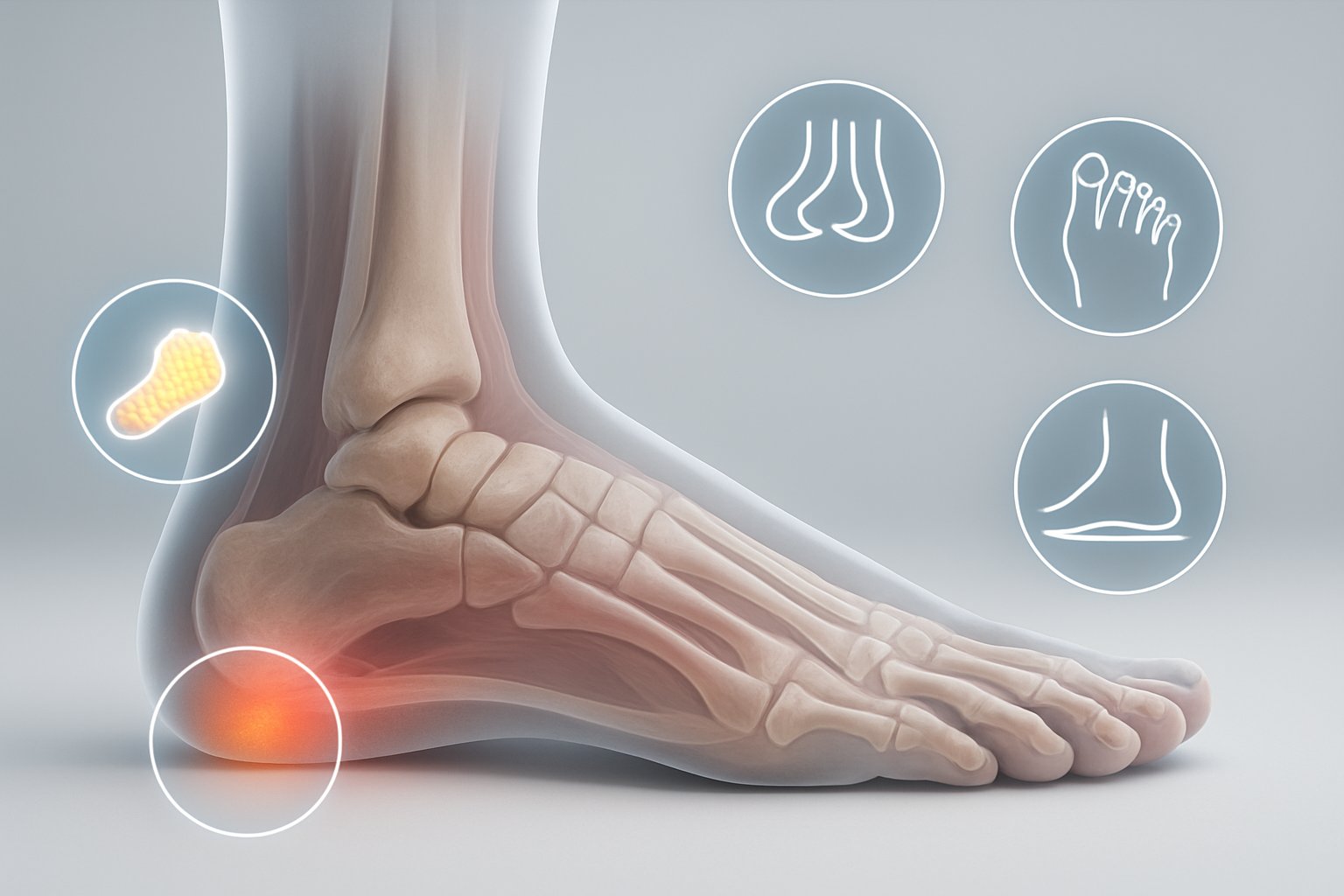
When Over-the-Counter Solutions Aren’t Enough For Foot Pain
Your feet carry you through thousands of steps each day, yet many people ignore the warning signs that indicate their feet need extra support. When your feet aren’t properly aligned or supported, it can lead to pain and problems that affect your entire body.
Custom orthotics can provide the specialized support your feet need to function correctly and reduce discomfort. These devices are specially designed shoe inserts that help improve how your feet work and feel. Recognizing when you might benefit from custom made orthotics can help you address foot problems before they get worse and start affecting other parts of your body like your knees, hips, and back.
1) Persistent foot pain during or after activity
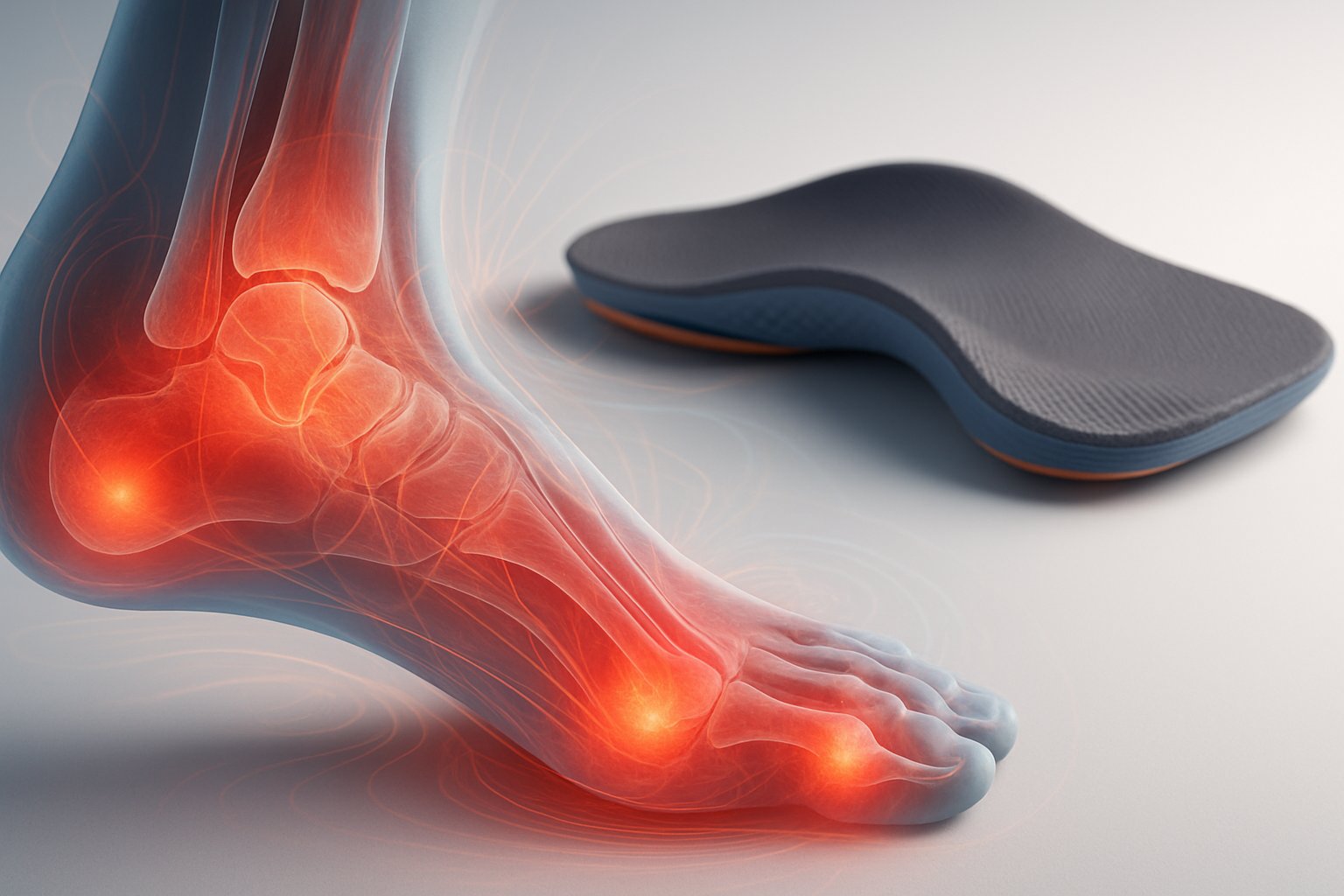
Your feet shouldn’t hurt every time you exercise or walk. Pain that shows up during activities like running, walking, or standing signals that your feet need better support.
Chronic foot pain after workouts means your feet aren’t getting the alignment they need. This type of pain often feels like aching, sharp stabbing, or throbbing in your arches, heels, or balls of your feet.
Normal muscle soreness goes away after a day or two of rest. Foot pain that keeps coming back after each activity is different. It points to structural problems in how your feet hit the ground.
You might notice pain starting halfway through your workout. Or it could hit you right after you finish exercising. Some people feel the worst pain the morning after being active.
The pain often gets worse over time if you ignore it. What starts as mild discomfort can turn into sharp pain that stops you from doing the activities you enjoy.
Pain that doesn’t improve with rest usually means biomechanical issues are causing the problem. Your foot structure or walking pattern may be putting stress on certain areas.
Custom orthotics can fix these alignment problems. They redistribute pressure across your feet and change how your feet move during activities. This reduces the stress that causes pain in the first place.
2) Uneven wear patterns on your shoes
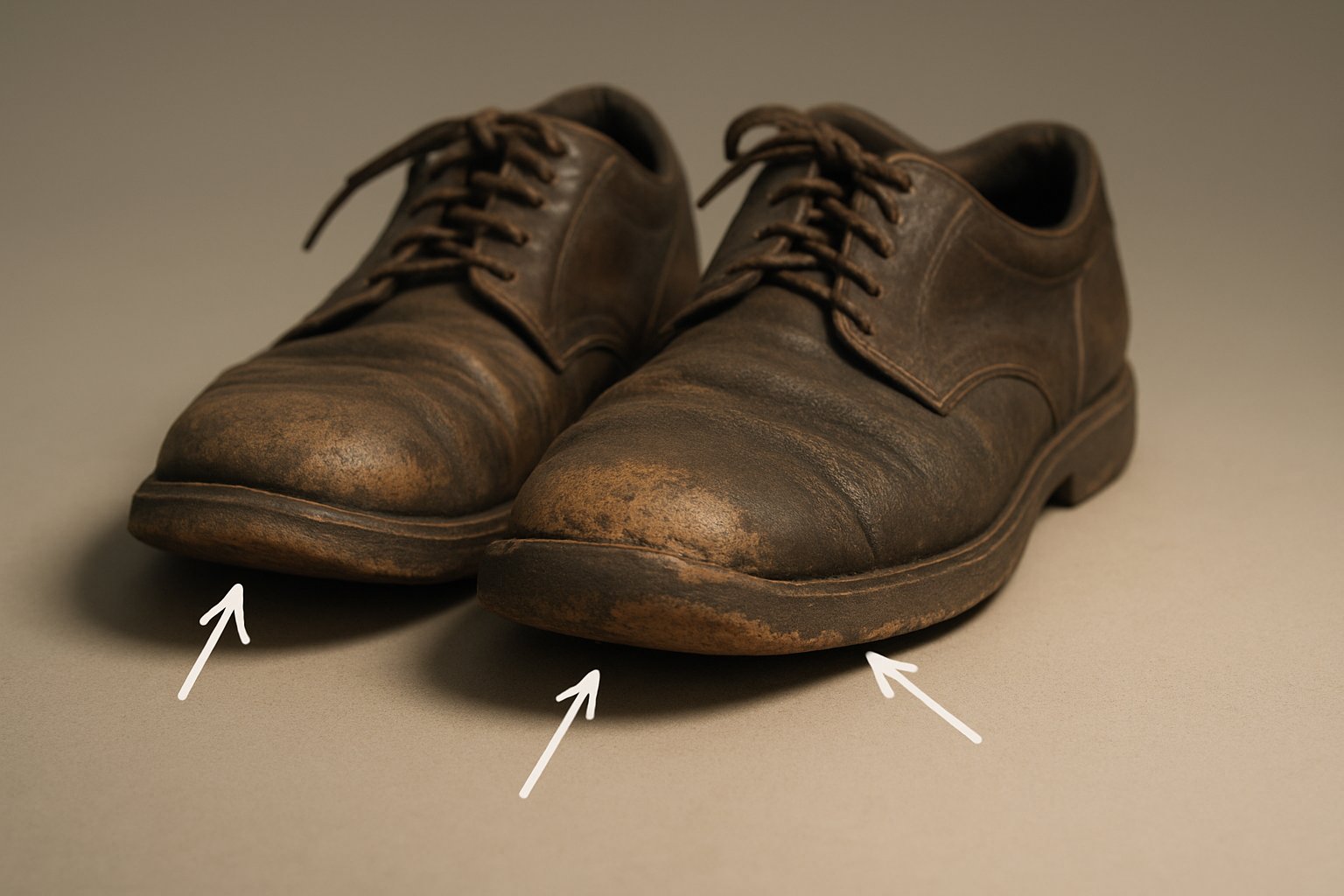
Your shoes tell a story about how you walk. The patterns of wear on the bottom of your shoes can reveal problems with your stride.
Normal wear happens evenly across the heel and toe areas. When you see heavy wear on just one side, this signals an issue.
Excessive eroding on one side of your shoes usually comes from supination or pronation. Supination means your foot rolls outward. Pronation means it rolls inward.
Overpronation causes uneven weight distribution across your foot during movement. This creates those telltale wear marks you notice.
Check the heels of your shoes first. Look for wear that’s heavier on the inner or outer edges. The toe area should also wear evenly if your gait is healthy.
Uneven wear patterns may suggest you haven’t found the right shoe fit. They can also indicate you need orthotic inserts to fix how pressure spreads across your feet.
These wear patterns don’t lie. They show exactly where your feet put extra stress with each step you take.
Custom orthotics can fix these biomechanical problems. They help distribute your weight more evenly and correct your walking pattern.
3) Frequent ankle sprains or instability
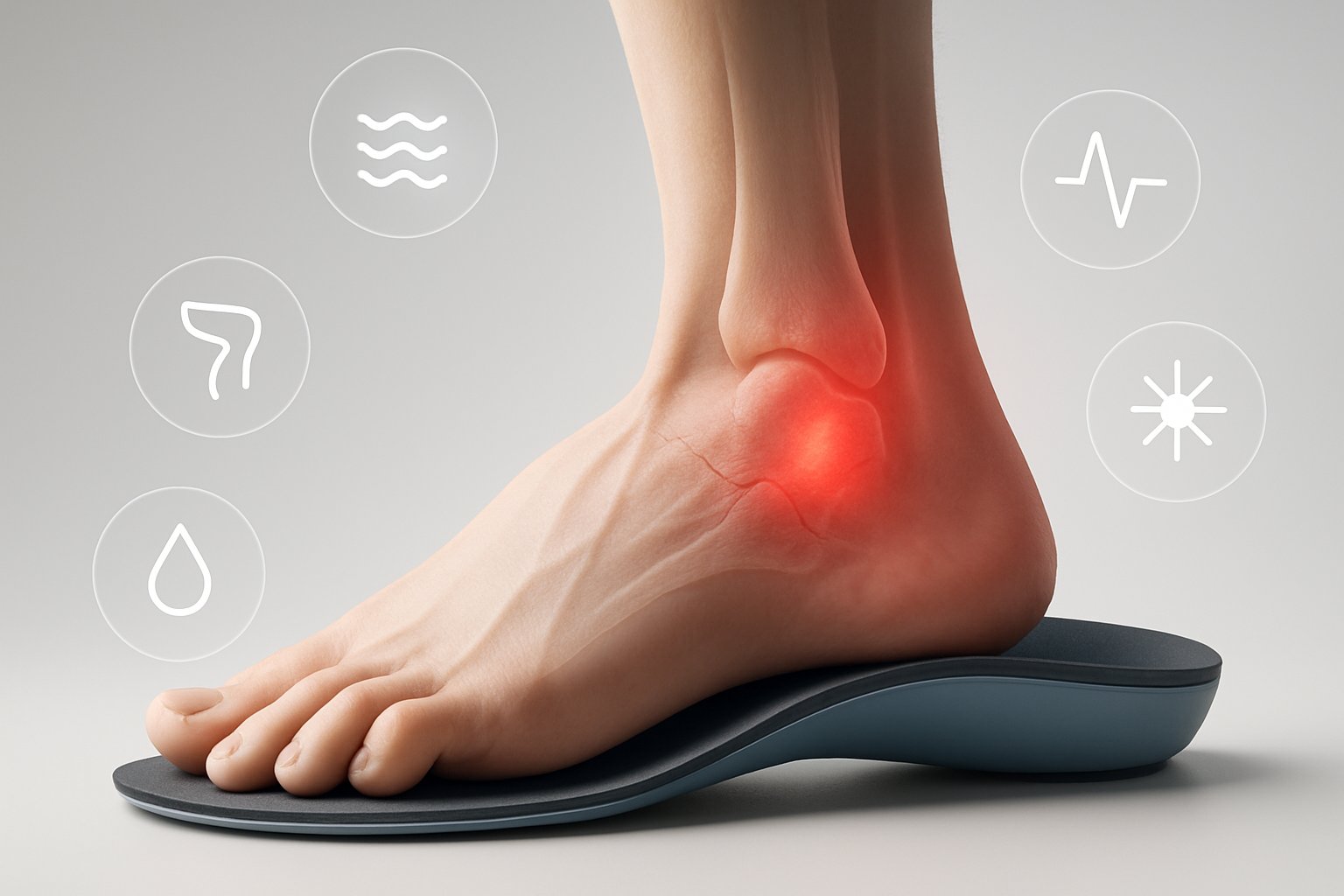
If you keep spraining your ankles, it might not be bad luck. Your feet could need better support and alignment.
Frequent ankle sprains often happen when your ankles are weak or unstable. This creates a cycle where each sprain makes the next one more likely.
When you don’t treat ankle sprains properly, the ligaments don’t heal correctly. Without proper healing, you become vulnerable to chronic ankle instability.
Your foot position affects your ankle stability. If your feet roll inward or outward too much, this puts extra stress on your ankle joints.
Custom orthotics help by keeping your feet in the right position. They provide the foundation your ankles need to stay stable during movement.
Multiple studies show that chronic ankle instability decreases substantially with custom foot orthotics. A 2002 study found significant increases in ankle stability through orthotic use.
The orthotics work by correcting your foot alignment. This reduces the abnormal forces that lead to ankle rolls and sprains.
You might notice your ankles feel stronger and more confident with proper support. Activities like walking on uneven surfaces become less risky.
Custom orthotics also help reduce muscle fatigue in your feet and ankles. When your muscles don’t have to work as hard to maintain stability, they’re less likely to give out.
If you’ve had three or more ankle sprains in the past year, custom orthotics could help break the cycle. They address the root cause rather than just treating each injury as it happens.
4) Visible foot deformities such as bunions or flat feet
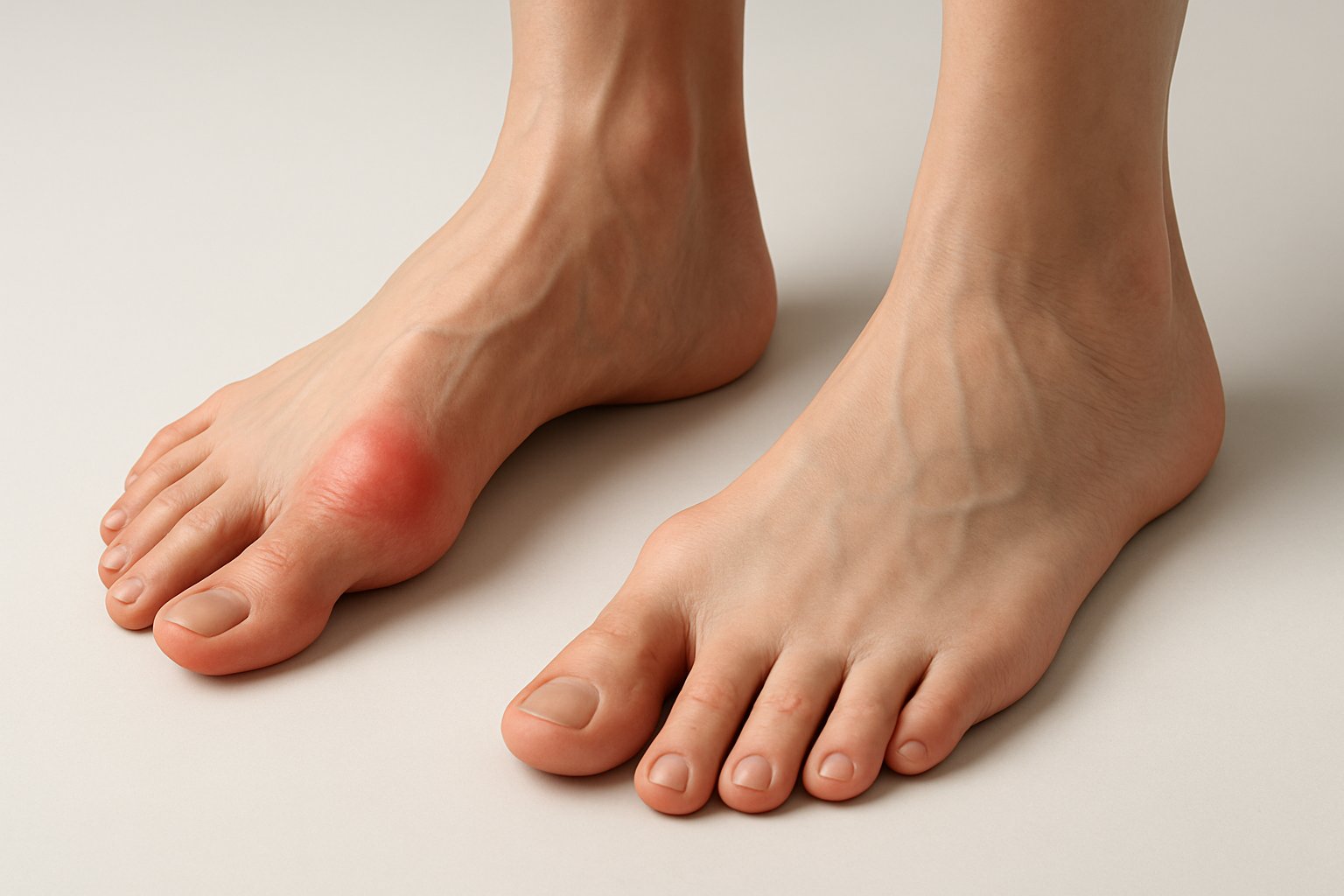
When you can see changes in your foot shape, it’s often a clear sign that custom orthotics could help. One third of American adults experience bunions, which appear as a bony bump on the side of your big toe.
Bunions develop when your big toe angles toward your other toes. This creates a visible bulge at the base of your big toe that can become painful over time.
Flat feet are another common deformity you can easily spot. Your foot arch appears flattened when you stand, and your entire foot sole may touch the ground.
Genetics plays a major role in foot deformities. You might inherit structural weaknesses that make these conditions more likely to develop.
Poor footwear can make existing deformities worse. Tight or narrow shoes put extra pressure on your toes and can speed up bunion formation.
Custom orthotics address specific needs of your foot concerns. These devices correct alignment problems and reduce pain from deformities.
If you notice hammertoes, heel spurs, or other visible changes in your foot shape, orthotics may help. These devices support proper foot function and can slow down further deformity progression.
Foot deformities impact movement and daily activities beyond just appearance. Getting proper treatment helps you maintain an active lifestyle and prevents complications.
Custom orthotics work by redistributing pressure across your foot. This takes strain off problem areas and provides support where your foot needs it most.
5) Difficulty maintaining balance while standing or walking
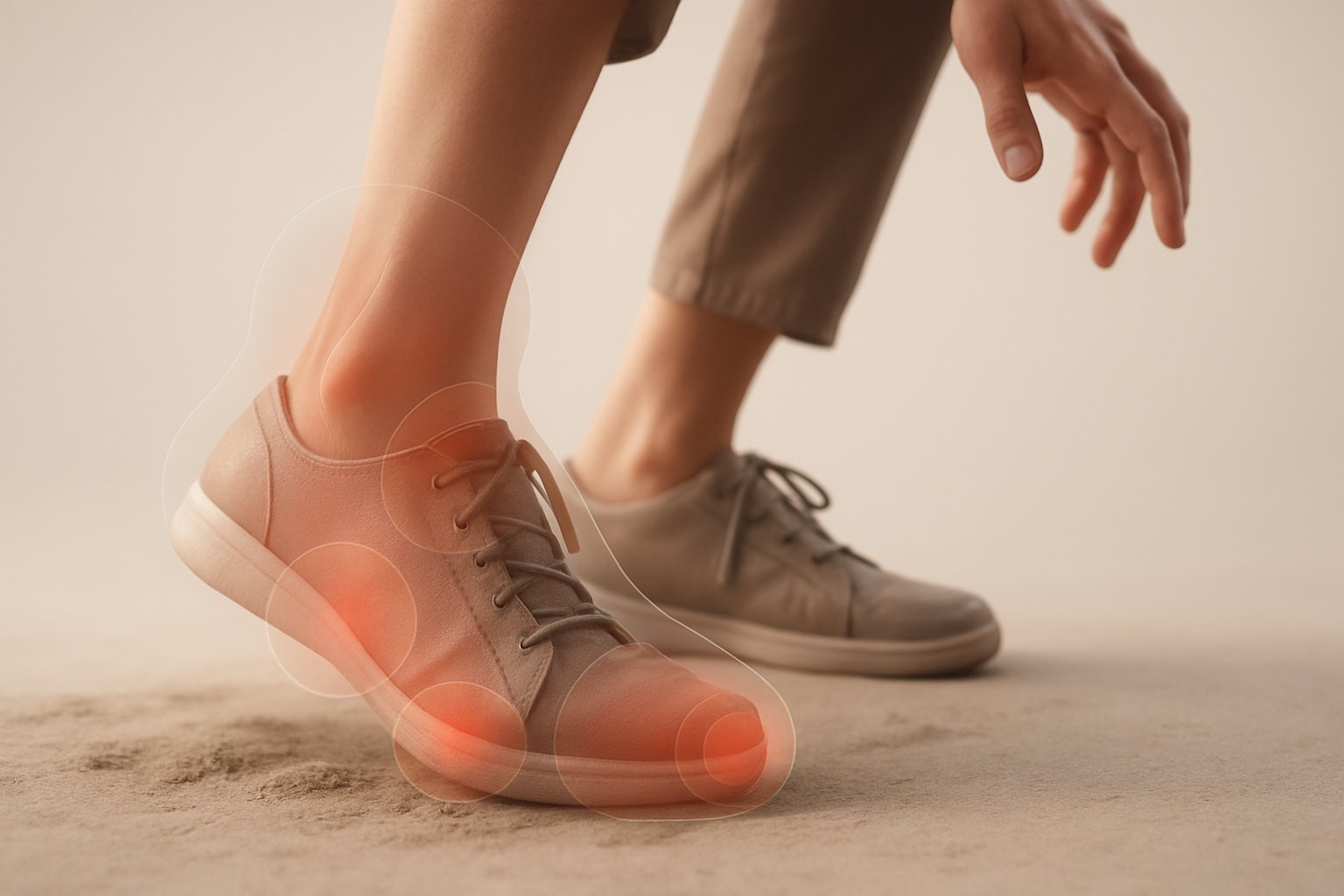
Balance problems can signal that your feet aren’t providing proper support for your body. When your feet don’t align correctly, it affects your entire posture and stability.
You might notice yourself feeling unsteady while walking or standing. This happens because misaligned feet send incorrect signals to your brain about your body position.
Common signs include swaying when standing still or needing to grab onto things for support. You may also find yourself taking wider steps to feel more stable.
Collapsed arches can make you feel unstable and increase your risk of falls. This is especially concerning for older adults who face greater injury risks from falling.
Custom orthotics help by correcting foot alignment and providing proper arch support. They create a stable foundation that helps your body maintain better balance.
The orthotics work by redistributing pressure across your feet evenly. This improved weight distribution sends clearer signals to your brain about your body position.
Many people notice improved stability within weeks of wearing custom orthotics. Walking becomes less tiring because your body doesn’t have to work as hard to stay balanced.
If you experience frequent stumbling or need extra concentration to walk straight, your feet may need additional support. Custom orthotics can provide the stability your body needs for confident movement.
How Custom Orthotics Address Common Foot Issues
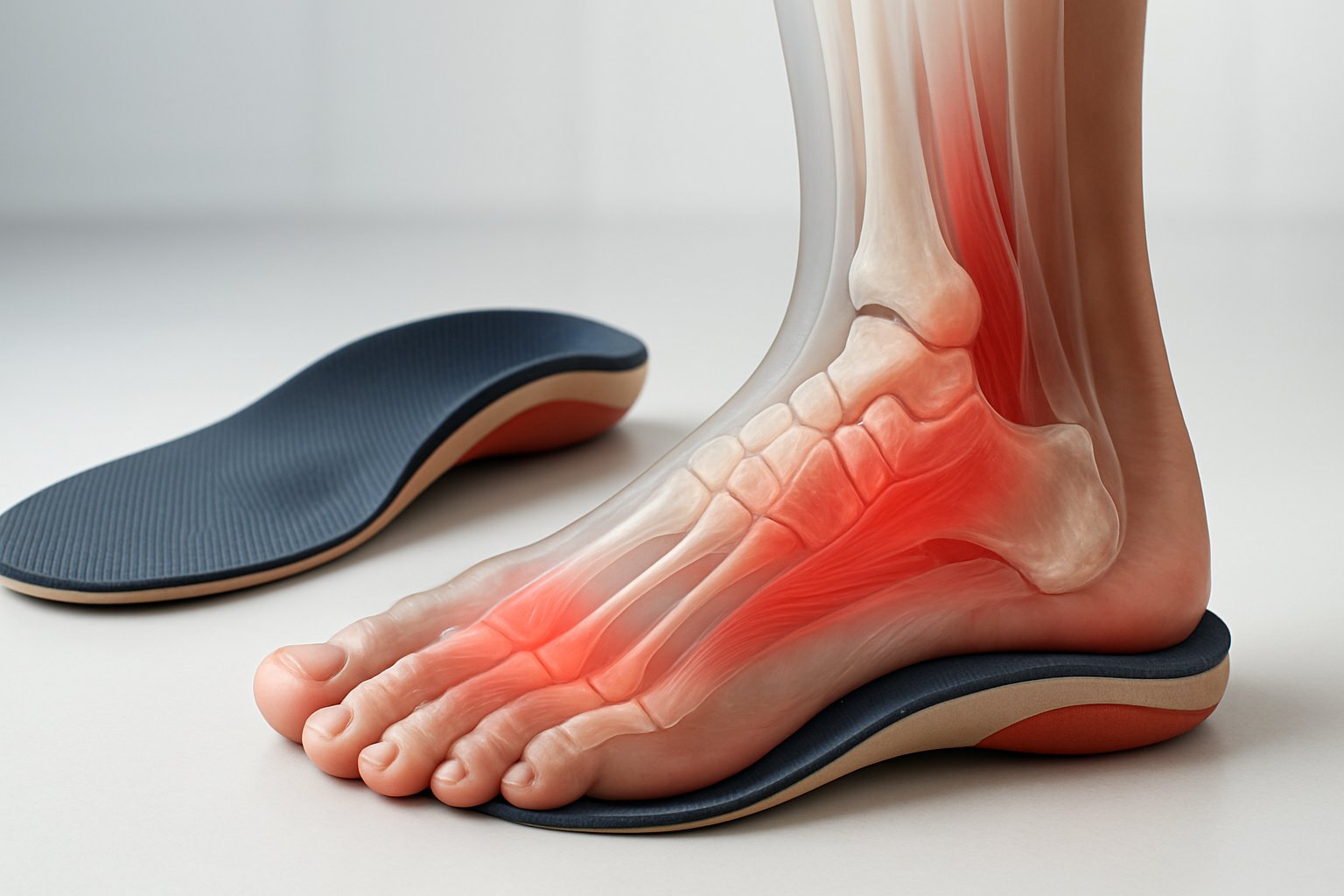
Custom orthotics work by correcting your foot mechanics through precise arch support and pressure redistribution. They outperform generic insoles by targeting your specific foot structure and movement patterns.
Mechanics of Custom Orthotics
Custom orthotics function as engineered support systems that correct imbalances and improve alignment in your feet. They redistribute pressure across your foot surface, reducing stress on problem areas.
These devices support your arches while controlling excessive pronation or supination during walking. Your foot strikes the ground more efficiently with proper alignment.
Custom orthotics absorb shock when you move and improve overall foot and ankle function. They position your foot in its optimal biomechanical position throughout each step.
The devices work by maintaining your foot’s natural curves. This prevents collapse of your arch structure during weight-bearing activities.
Your gait pattern improves as orthotics guide your foot through proper motion phases. This leads to more efficient walking or running with reduced energy expenditure.
Benefits Over Store-Bought Insoles
Unlike store-bought insoles, custom orthotics are created based on detailed evaluation of your foot structure and gait patterns. Generic insoles provide general cushioning without addressing your specific problems.
Custom devices target conditions like flat feet, high arches, or plantar fasciitis with precision. Store-bought options offer one-size-fits-all solutions that may not match your foot shape.
You receive personalized support tailored to your needs rather than generic arch support. This targeted approach delivers better pain relief and functional improvement.
Materials in custom orthotics last longer than drugstore alternatives. Professional-grade components maintain their shape and support properties through extended use.
Your specific foot measurements ensure proper fit within your shoes. Generic insoles may create pressure points or fail to address your particular alignment issues.
The Importance of Professional Assessment

Getting custom orthotics requires proper medical evaluation to ensure the devices match your specific foot problems. A trained specialist will examine your feet, watch how you walk, and create a treatment plan that addresses your unique needs.
Role of Podiatrists in Orthotic Prescription
Podiatrists are foot doctors who specialize in diagnosing and treating foot and ankle problems. They have the training to determine if custom orthotics can help correct foot alignment issues and improve your daily comfort.
Your podiatrist will examine your feet for structural problems like flat feet or high arches. They check for pain points, swelling, and areas of pressure.
The doctor will also look at your current shoes to see wear patterns. Uneven shoe wear can show problems with how you walk and help guide treatment decisions.
After the exam, your podiatrist creates a custom treatment plan. This might include orthotics, exercises, or other treatments based on your specific foot problems.
What to Expect During a Gait Analysis
A gait analysis is a detailed study of how you walk and stand. This test helps doctors understand your movement patterns and identify problems that might need orthotics.
During the analysis, you will walk on a special walkway or treadmill. The doctor watches how your feet hit the ground and how your body moves.
Some clinics use video cameras to record your walking from different angles. This lets the doctor study your movement in slow motion to spot problems.
The doctor may also use pressure plates that show which parts of your feet bear the most weight. This information helps design orthotics that distribute pressure more evenly.
Healthcare providers like podiatrists and physical therapists use this information to create orthotics that match your exact walking pattern and foot structure.